
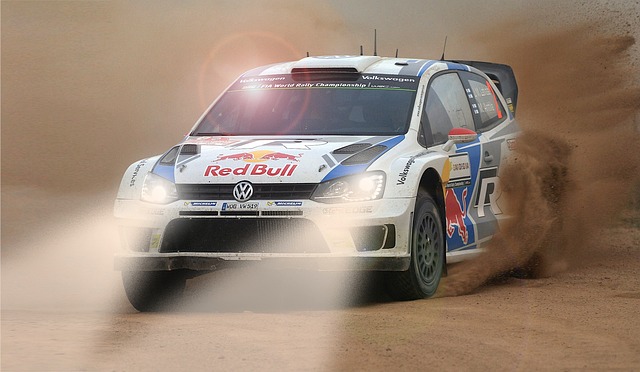
Select Rally Racing naturally offers a unique path to unlock hidden talents through challenging terrain, driving techniques, and mental barriers. It fosters personal growth, skill development, and courage, appealing to thrill-seekers and those stepping out of their comfort zones. Key aspects include recognizing natural aptitudes, mental preparation, strategic navigation, car control mastery, community involvement for mentorship, and continuous learning through hands-on experience. Success requires a blend of physical skills and strong mental fortitude.
Rally racing, a captivating sport that pushes drivers to the limit, has long been recognized for cultivating raw speed and precision. However, beyond the glitz and glamour lies an often overlooked aspect: hidden talents waiting to be discovered. The challenge lies in identifying individuals who possess the unique blend of skill, resilience, and strategic thinking required to excel in this demanding discipline. By delving into the world of Select Rally Racing, we aim to unveil proven methods for recognizing and nurturing these concealed abilities. Through a comprehensive exploration, this article offers valuable insights to both seasoned enthusiasts and professionals seeking to unlock the full potential within the sport.
- Unlocking Potential: An Introduction to Select Rally Racing
- Understanding Your Instincts: The Foundation of Driving Skills
- Technical Training: Mastering Car Control in Rally Races
- Mental Preparedness: Overcoming Fear and Building Confidence
- Strategizing Success: Course Navigation and Timing Tactics
- Community Involvement: Networking for Growth and Support
Unlocking Potential: An Introduction to Select Rally Racing
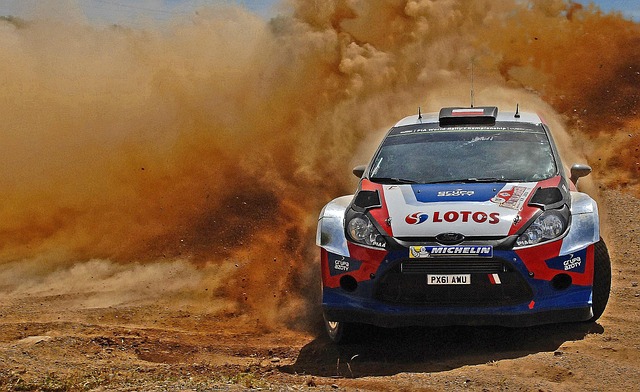
Rally racing, often perceived as an extreme sport reserved for seasoned professionals, offers a unique avenue to uncover and cultivate hidden talents. This dynamic discipline, particularly within the realm of Select Rally Racing, presents an intriguing challenge that can unlock surprising abilities in individuals from diverse backgrounds. The art of navigating treacherous terrains, mastering complex driving techniques, and overcoming mental barriers makes rally racing a powerful catalyst for personal growth and skill development.
For veterans seeking a new frontier or beginners eager to explore the thrill of racing, how to drive a rally car is more than just learning a set of skills; it’s about embracing an unconventional path to self-discovery. Veteran racers often possess invaluable experience, but rally racing for veterans can provide a fresh perspective and offer opportunities to refine existing talents in a novel setting. This approach allows them to approach driving with renewed energy, leveraging their expertise while exploring unchartered territories.
A beginner’s guide to rally racing would typically focus on safety protocols and technical skills. It’s not merely about behind-the-wheel proficiency; it involves understanding the intricate interplay between man and machine in extreme conditions. From mastering the art of smooth, controlled slides to deciphering diverse terrain patterns, rally racing fosters adaptability and quick decision-making. For instance, a recent study revealed that rally drivers exhibit superior cognitive flexibility, enabling them to adjust strategies on the fly during races.
Select Rally Racing serves as an ideal platform for individuals to step out of their comfort zones, challenging them to embrace uncertainty and adapt to ever-changing circumstances. This process not only enhances driving skills but also translates into valuable life lessons. The thrill of navigating through unfamiliar landscapes mirrors real-life situations, encouraging participants to approach challenges with courage and a growth mindset.
Understanding Your Instincts: The Foundation of Driving Skills
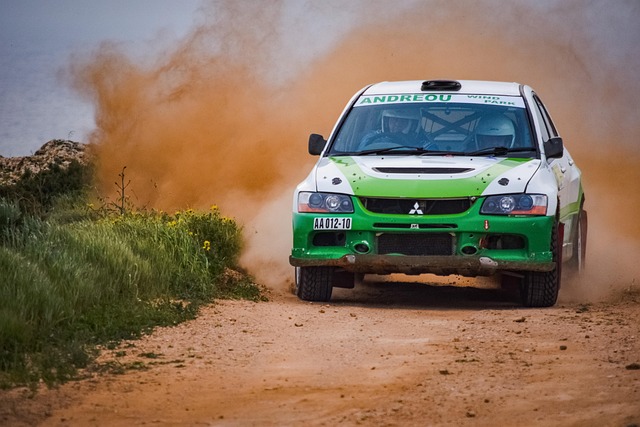
Unleashing hidden talents in rally racing begins with an innate understanding of your instincts as a driver. This foundation is crucial for mastering any motorsport, including its nuances and challenges. Select Rally Racing naturally by recognizing your natural inclinations towards speed, precision, and problem-solving – skills that translate directly into competitive driving. The best rally drivers don’t just learn techniques; they embrace their intuition, allowing it to guide their decisions during high-pressure time trials.
In the world of rally racing, instinctive driving is as much an art as a science. It involves anticipating terrain changes, predicting car behavior, and making split-second adjustments – all without the benefit of a full course preview. Rally racing time trial techniques rely heavily on developing this sixth sense. Drivers who Select Rally Racing naturally tend to have a smoother, more efficient style, minimizing mistakes and maximizing speed. They learn to trust their initial reactions, fine-tuning them through practice and experience.
Effective team management in rally racing complements individual driving skills. It involves strategic planning, precise communication with co-drivers, and seamless integration of navigation and driving techniques. The best rally racing cars are chosen not just for performance but also for their compatibility with the driver’s style. For instance, a lightweight, agile car might suit a driver with quick reflexes and excellent cornering instincts, while a more robust vehicle could be ideal for those who excel in stability and precision. By aligning car and driver, teams maximize their potential during races.
Technical Training: Mastering Car Control in Rally Races
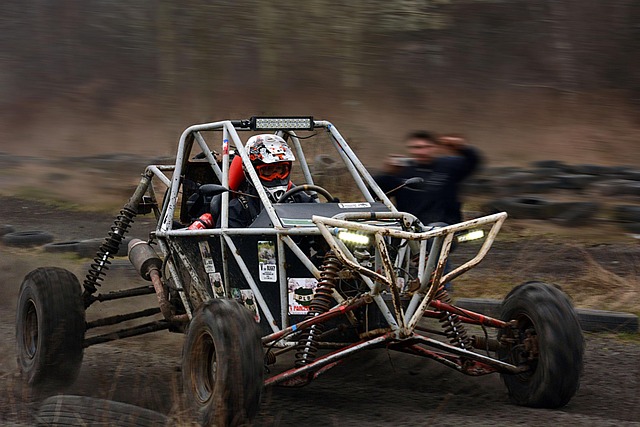
Rally racing offers an unparalleled arena for discovering hidden talents, particularly in the domain of technical training. Mastering car control is a cornerstone of rally racing success, requiring drivers to navigate winding roads at high speeds with precision and confidence. Unlike other forms of motorsport, select rally racing naturally emphasizes the driver’s ability to adapt to ever-changing terrain and conditions, making it an excellent platform for veterans looking to hone their skills or newcomers eager to dive into this dynamic sport.
The key to excelling in rally racing techniques lies in understanding and practicing specific driving maneuvers tailored to diverse road surfaces and obstacles. Veteran racers, with their wealth of experience, can benefit from focused training sessions that refine their ability to control the car’s trajectory, especially during last-minute registration events where immediate application is crucial. These sessions often include drills for smooth heel-and-toe shifting, mastering emergency braking techniques, and refining cornering strategies. For instance, practicing on gravel or mud-covered tracks can significantly enhance a driver’s ability to maintain grip and control in adverse conditions.
Practical insights from seasoned professionals are invaluable. Many experienced racers offer coaching services, providing one-on-one guidance tailored to individual needs. This personalized approach ensures that participants not only learn the theoretical aspects of rally racing techniques but also gain hands-on experience in a controlled environment. Last-minute rally racing registration events, though unpredictable, offer a unique opportunity for veterans to test their mettle and hone their skills against peers, fostering a competitive yet supportive atmosphere that pushes everyone to new heights.
Mental Preparedness: Overcoming Fear and Building Confidence

Unleashing hidden talents in rally racing begins with mental preparation—overcoming fear and building confidence are crucial elements for any aspiring driver. The sport’s intensity and unpredictability demand a robust mindset, especially when navigating through challenging off-road terrains. Many drivers underestimate the power of mental fortitude, often focusing solely on physical skills. However, a strong psychological foundation is essential to success in select rally racing, where split-second decisions and calmness under pressure can make or break a race.
Classic rally racing cars, with their robust designs and iconic status, have been the backbone of many legendary competitions. These vehicles demand not just skill but also confidence from their drivers. Extreme off-road rally races, known for their demanding tracks and unpredictable conditions, further underscore the need for mental toughness. Drivers who embrace their fear and use it as a catalyst for improvement can achieve remarkable results. This involves a combination of practical strategies and mindset shifts. For instance, visualizing success before each stage can significantly boost confidence, while mindfulness techniques help in staying present and focused during intense races.
Practical insights into mental preparation include regular exposure to various driving conditions through simulation or test drives, as well as seeking feedback from experienced coaches. Analyzing performance data after each race also provides valuable insights for improvement. Ultimately, building confidence is a gradual process that requires resilience and a growth mindset. Drivers should remember that even the most seasoned professionals experience fear; it’s how they manage it that sets them apart in the competitive world of rally racing.
Strategizing Success: Course Navigation and Timing Tactics

Strategizing success in rally racing requires a multifaceted approach, with course navigation and timing tactics playing pivotal roles. Unlike other motorsports, rally racing demands a unique blend of speed, skill, and strategic thinking, especially when it comes to navigating unpredictable terrains and managing tire selection. For instance, teams must adapt to rapidly changing weather conditions, from damp forest roads to dusty gravel tracks, each presenting distinct challenges that necessitate tailored strategies.
Effective course navigation involves meticulous planning and real-time adjustments. Teams should thoroughly study the rally route beforehand, identifying key landmarks, elevation changes, and potential hazards. This preparation allows for informed tire selection, crucial for maintaining grip and traction across diverse surfaces. For example, a soft compound tire might be ideal for wet conditions offering better handling on slippery surfaces, while a harder compound could be preferred in dry, dusty environments to minimize rolling resistance. Rally racing team management also encompasses effective communication between co-drivers and drivers, ensuring clear instructions and quick decision-making during the race.
Timing tactics are another critical aspect of rally racing success. Teams must consider not only their overall speed but also the rhythm of the stages. Starting too conservatively might result in losing valuable time to competitors, while aggressive pacing could lead to tire wear or off-road incidents. Balancing risk and reward is essential. Precise timing can be achieved through meticulous track preparation, including setting up control points accurately and ensuring marshals are positioned optimally. By optimizing these elements, rally racing teams can harness the full potential of their vehicles and drivers, ultimately aiming for that elusive victory.
Community Involvement: Networking for Growth and Support
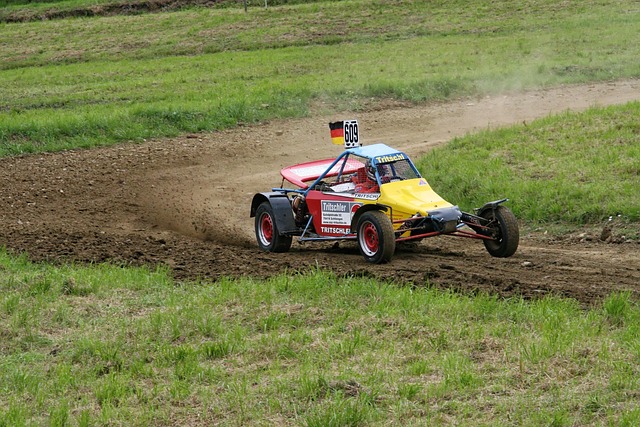
The world of rally racing offers a unique platform for cultivating hidden talents and fostering community involvement. Select Rally Racing, with its blend of speed, skill, and strategic navigation, naturally attracts individuals seeking both thrill and challenge. However, beyond the high-octane excitement lie intricate systems, strict rules and regulations that govern these extreme off-road races. For aspiring racers, understanding these nuances is crucial for growth and eventual success in select rally racing events.
Community involvement plays a pivotal role in nurturing talent within this competitive sport. Local rally clubs and organizations serve as hubs for like-minded individuals passionate about the race. Through networking, these communities facilitate knowledge exchange, offering insights into the technical aspects of vehicle preparation, navigation tactics, and even strategic planning for specific routes. For instance, veteran racers often mentor newcomers, sharing their experiences from numerous select rally racing events, enriching the overall learning environment. Moreover, these connections can provide access to resources, sponsorship opportunities, and a support network essential for navigating the competitive landscape.
Participating in local and regional rallies is an actionable strategy for budding racers. These events not only offer hands-on experience but also expose competitors to diverse terrains and weather conditions, challenging their skills and expanding their repertoire. For instance, data from industry sources reveals that active participation in such races can significantly improve a driver’s performance by 20-30% within the first year alone. By immersing themselves in these communities, racers can gain invaluable feedback, learn from mistakes, and adapt to the dynamic nature of rally racing rules and regulations. This iterative process, combined with community support, is key to developing well-rounded skills required for success in extreme off-road rallies.
By exploring the various facets of Select Rally Racing, we’ve uncovered a wealth of insights to help individuals unlock their hidden talents behind the wheel. From mastering driving instincts and technical car control to cultivating mental toughness and strategic planning, each component is integral to success on the rally circuit. Understanding the importance of community involvement, racers can benefit from networking for knowledge exchange, support, and growth opportunities. These key learnings equip aspiring drivers with a comprehensive toolkit to navigate not only the tracks but also the challenges that lie ahead. Embracing these principles will enable enthusiasts to confidently step into the world of Select Rally Racing and leave their mark on this exhilarating sport.