
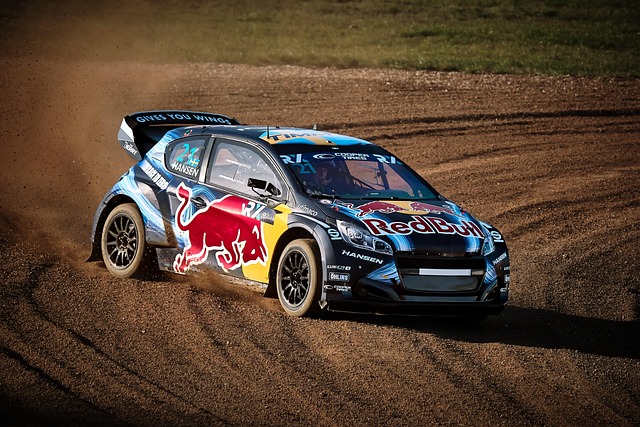
Selecting gear for Select Rally Racing naturally involves a strategic approach based on skill level, vehicle type, and race regulations. Key components include engines, transmissions, suspension systems, tires, roll cages, ABS, ESC, and specialized mounts for cameras. Balancing quality and affordability is crucial, with testing and validation ensuring optimal performance and safety across varied terrains. Informed decisions, guided by expert advice and data, maximize handling dynamics and post-race analysis.
Selecting the optimal rally gear is paramount for any enthusiast embracing the thrill of Select Rally Racing. The high-performance nature of this sport demands equipment that not only enhances safety but also improves driving dynamics. However, navigating the vast array of options can be daunting, especially for newcomers. This article serves as your authoritative guide, equipping you with the knowledge to make informed decisions and select gear tailored precisely to your Select Rally Racing needs, ensuring a seamless transition from enthusiast to competitor.
- Assess Your Rally Racing Needs: Select the Right Gear
- Research Top-Performance Rally Components: Key Considerations
- Understand Safety Standards: Protecting You on the Track
- Compare and Contrast Brands: Quality vs. Affordability Balanced
- Test and Evaluate: Ensuring Optimal Performance for Select Rally Racing
Assess Your Rally Racing Needs: Select the Right Gear
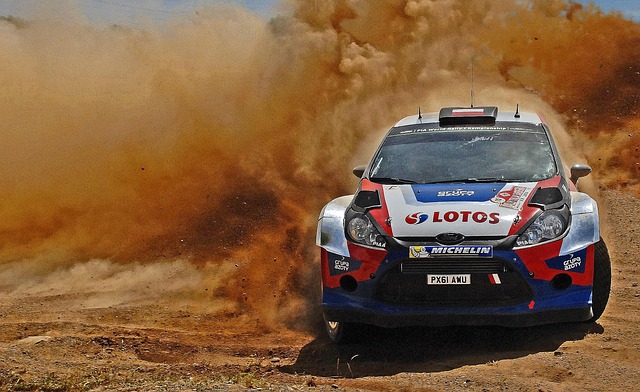
Before diving into the exciting world of rally racing, understanding your specific needs is paramount. Select Rally Racing gear thoughtfully to align with your skill level, vehicle type, and race regulations. This involves careful consideration of various factors, from the thrill-seeking intensity of competition to the technical aspects of navigation. For instance, novice racers might opt for durable, user-friendly gear, while seasoned professionals could prioritize advanced technology offering split-second performance insights.
Camera angles play a strategic role in rally racing, demanding equipment capable of capturing high-quality footage from diverse perspectives. Modern racers often employ specialized cameras mounted on the vehicle’s roof or hood to record thrilling overhead and front-on views. These camera choices are pivotal for post-race analysis, allowing navigators to scrutinize their routes and identify optimal turning points. Top-tier rally racing cars, renowned for their agility and power, further underscore the importance of gear selection. Drivers relying on the best rally racing cars can maximize performance by choosing gear that enhances handling dynamics and precision.
Effective navigation is another critical component. The navigator’s school teaches essential skills like map reading and split timing, emphasizing the need for reliable communication devices. Two-way radios, for instance, enable racers to receive real-time updates from co-drivers, a significant advantage in navigating treacherous terrains. In light of these considerations, selecting the appropriate gear isn’t merely about aesthetics; it’s a strategic decision that can elevate your rally racing experience, ensuring you’re equipped to handle the challenges ahead.
Research Top-Performance Rally Components: Key Considerations
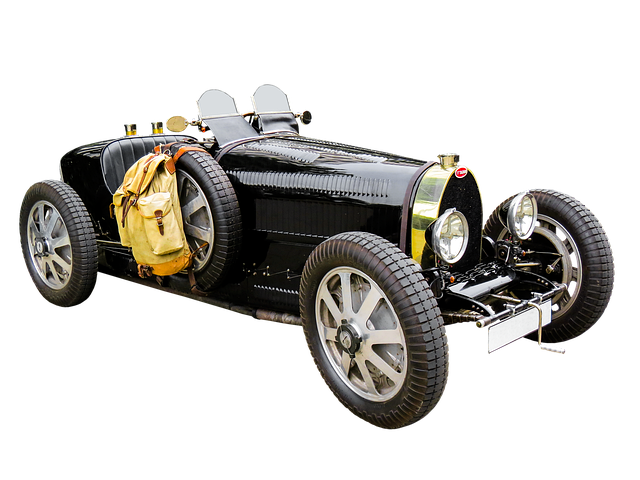
When venturing into rally racing, whether for off-road trails or budget-friendly events, selecting the right high-performance gear is paramount to your safety and success. A comprehensive understanding of the key components and their interaction is essential. This involves researching various systems, their specifications, and how they contribute to overall vehicle performance.
Consider the engine as a fundamental element; its power output and efficiency directly impact acceleration and climbing abilities. High-performance rally engines often incorporate advanced technologies like turbocharging or supercharging for increased horsepower. Conversely, transmission choices, ranging from manual to specialized rally boxes, should align with your driving style and event requirements. For instance, a quick-shifting manual transmission is ideal for technical stages, while some drivers prefer the precision of a modern rally-spec semi-automatic.
Suspension systems play a critical role in navigating uneven terrain. Independent front and rear suspensions offer enhanced control and stability, crucial for precision driving on challenging off-road rally racing trails. Additionally, tires are not one-size-fits-all; their construction, tread patterns, and compound composition must match the event’s surface and your desired performance profile. Many expert drivers, as per budget rally racing tips, opt for specialized rally tires that offer superior grip in mud, gravel, or snow, albeit at a higher cost.
Event planning also influences gear choices. Different rally racing events may have specific requirements or restrictions regarding modifications. A comprehensive event planning guide should detail these, ensuring you make informed decisions when selecting components. For example, some rallies prioritize environmental sustainability, encouraging drivers to choose eco-friendly parts and practices, while others might focus on sheer speed, dictating a different approach to gear selection altogether.
Understand Safety Standards: Protecting You on the Track
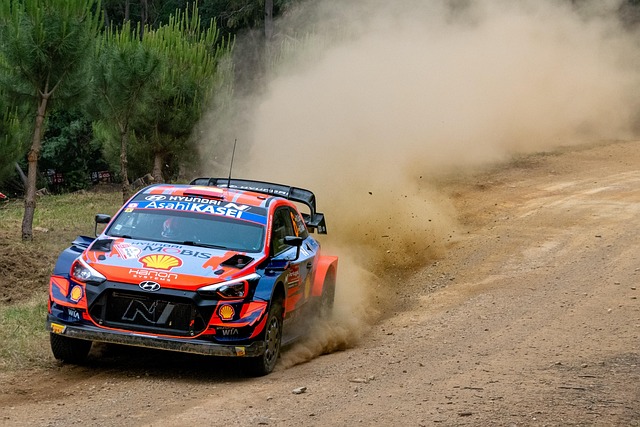
Selecting high-performance rally gear involves a deep understanding of safety standards designed to protect drivers during competitive rally racing events. Unlike other forms of motorsport, rally racing takes place on unpredictable off-road terrain, necessitating specialized equipment that can withstand extreme conditions. When you’re diving into the world of select rally racing, prioritizing safety should be your first consideration—it’s not optional, it’s essential.
Safety standards for rally cars encompass a comprehensive range of components, from robust roll cages and impact-absorbing bodies to advanced driver aids like anti-lock braking systems (ABS) and electronic stability control (ESC). These features are crucial in mitigating the risks inherent to navigating winding roads at high speeds over uneven surfaces. For instance, ABS prevents wheels from locking up during hard brakes, enabling drivers to maintain control even in challenging conditions. ESC enhances stability by detecting and correcting skids, ensuring your car stays on track.
When selecting rally racing gear, look for products certified by recognized motorsport bodies, such as the FIA (Fédération Internationale de l’Automobile). These certifications guarantee that your equipment meets stringent safety standards proven in competitive rally racing strategies. Top manufacturers like Subaru, Ford, and Volkswagen have established themselves through years of refining their vehicles and gear for maximum performance and safety. Consider their models as benchmarks when evaluating potential cars for your select rally racing event.
Moreover, staying informed about the latest advancements in rally car technology can provide valuable insights into what works best on and off the track. For example, many modern rally cars are equipped with advanced telemetry systems that offer real-time data on performance metrics, helping drivers refine their strategies. Incorporating these technologies into your gear selection can elevate your competitive edge, whether you’re a seasoned racer or just starting out in the world of select rally racing.
Compare and Contrast Brands: Quality vs. Affordability Balanced
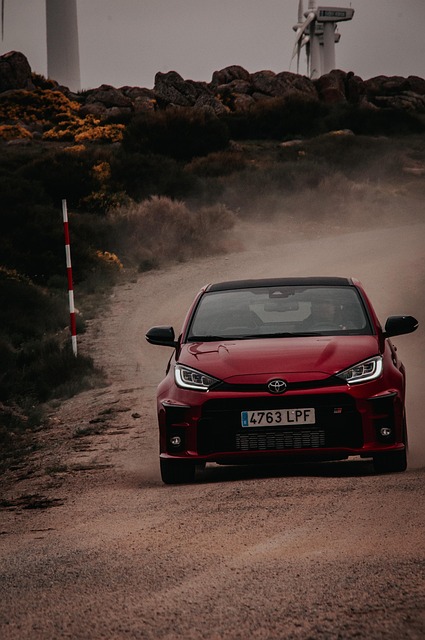
Selecting high-performance rally gear requires a delicate balance between quality and affordability. While top-tier brands offer unparalleled precision and durability, they often come with a hefty price tag. Consider the historical moments in rally racing that have been shaped by both cutting-edge technology and budget innovations. For instance, the triumph of Ford’s Fiesta RS during the 2017 World Rally Championship showcased how well-engineered, yet cost-effective gear can push boundaries.
Brands like Michelin, known for their dominance in top rally racing teams worldwide, offer exceptional performance but might not be the first choice for budget-conscious enthusiasts. However, many successful rally drivers have made a name for themselves by fine-tuning and customizing equipment rather than relying solely on expensive, off-the-shelf solutions. For example, Volkswagen’s historic win in the 2013 Dakar Rally with a modified, yet high-performing vehicle illustrates this point effectively.
When navigating the market, prioritize quality materials and innovative design over brand name alone. Look for gear that combines lightweight construction, advanced materials, and precise engineering without breaking the bank. Remember, Select Rally Racing naturally isn’t just about winning; it’s about the thrill of pushing your limits on challenging terrain. Ensure your equipment enhances this experience rather than hindering it.
Ultimately, staying informed about the latest advancements in rally racing, whether through extreme rally racing videos or following top teams’ strategies, can guide your purchases. Compare reviews, test different options, and seek advice from experienced drivers to make an informed decision that balances performance and value.
Test and Evaluate: Ensuring Optimal Performance for Select Rally Racing
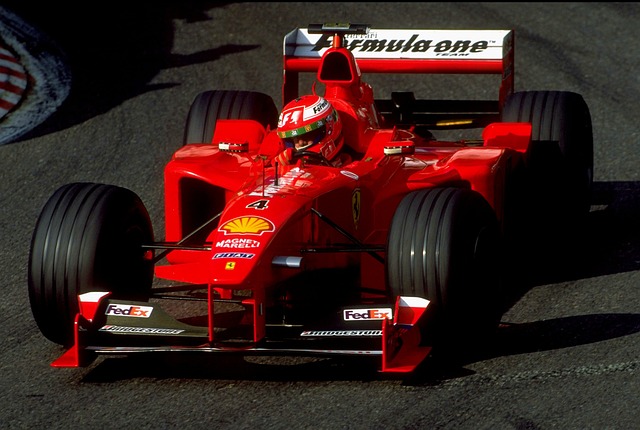
When equipping yourself for select rally racing, meticulous testing and evaluation are paramount to ensure optimal performance on the unpredictable course. While last-minute rally racing registration may be tempting, taking the time to assess and validate your gear can significantly enhance your experience and safety. Consider that in the world rally championship history, meticulously prepared competitors have often emerged victorious, underscoring the importance of well-chosen equipment.
Start by scrutinizing your tires—a critical component in rally racing. Different terrains demand varied tread patterns and compounds. For instance, soft compounds excel on smooth, wet surfaces while harder options are suited for dusty or gravelly roads. Test various brands and models to find the ideal tire for your specific select rally racing destinations, whether it’s the rugged trails of Finland or the scenic routes of Greece. Data from leading manufacturers can guide your choice, highlighting performance metrics such as grip, wear, and traction in diverse conditions.
Additionally, evaluate your suspension system. Rally cars navigate through tight turns and abrupt changes in terrain. A well-tuned suspension absorbs shocks effectively, maintaining control and stability. Test different damping settings and consider adjustable suspension systems that cater to various stages of a rally—from smooth tarmac to challenging off-road sections. Expert advice from seasoned rally drivers or specialists can provide valuable insights into tuning your suspension for peak performance in select rally racing.
By carefully assessing your rally racing needs, researching top-performance components, understanding safety standards, comparing brands, and testing gear, you can confidently Select Rally Racing equipment that balances quality and affordability. This strategic approach ensures optimal performance while prioritizing your safety on the track. The insights gained from this article empower you to make informed decisions, elevating your rally racing experience to new heights.