
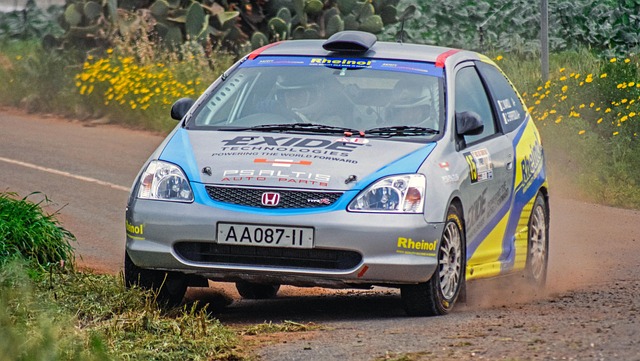
Optimizing a rally car's performance requires a holistic approach encompassing vehicle setup, track preparation, and tire selection. Key elements include:
– Select Rally Racing components for dynamic conditions, such as high-performance tires, advanced suspension systems, and top-tier braking systems.
– Precise tire setup based on terrain, weather, and vehicle characteristics enhances grip and safety.
– Balancing power delivery through engine tuning and transmission settings, tailored to driving style and stage conditions.
– Mastering steering techniques and split-second decision-making skills for optimal handling.
– Regular practice on various tracks to enhance understanding of vehicle dynamics and track challenges.
In the high-stakes world of Select Rally Racing, optimizing your car setup can be the difference between victory and defeat. Streamlining your rally car setup is not just about aesthetics; it directly impacts performance, handling, and overall driving experience. However, navigating the intricate web of components and configurations can be daunting for even the most seasoned racers. This article provides an authoritative guide to help you make informed decisions, fine-tune your vehicle, and dominate the racetracks with a setup tailored to your unique style and challenges.
- Understand Your Rally Car's Basic Setup
- Select Rally Racing-Specific Components
- Optimize Tire Choice and Pressure
- Fine-Tune Suspension for Optimal Performance
- Balance Power Delivery for Control and Speed
Understand Your Rally Car's Basic Setup
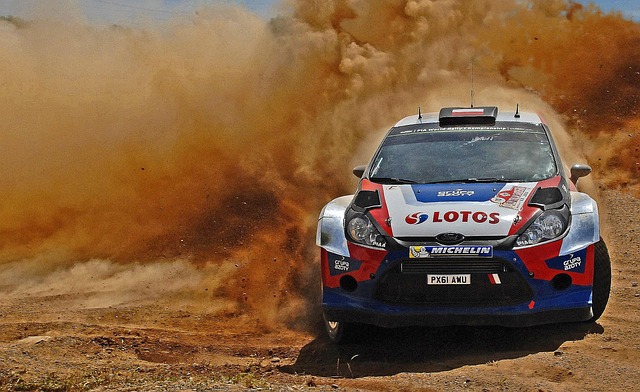
Understanding your rally car’s basic setup is a crucial step in streamlining your performance. Rally racing, particularly in events like the World Rally Championship (WRC), requires meticulous preparation. The WRC, with its rich history spanning over six decades, has evolved into a global spectacle, attracting top drivers and manufacturers from around the world. Each year, the championship travels to diverse locations, offering unique challenges from gravel tracks in Finland to snow-covered roads in Sweden, showcasing the versatility required of both car and driver.
The core setup of a rally car involves several key components: suspension, tyres, braking system, and steering. Select Rally Racing cars are renowned for their precision handling, achieving incredible speed while navigating through narrow, winding roads. To optimize this setup, drivers must consider track preparation—the condition of the road surface, corner types, and weather conditions play significant roles. For instance, a soft compound tyre might be ideal for fast, dry tracks, while a harder compound could be more suitable for wet or mixed conditions.
Moreover, mastering steering techniques is vital. The WRC schedule demands quick reflexes and sharp turns, requiring drivers to intuitively communicate with the car. Regular practice on various rally racing tracks allows for a deeper understanding of vehicle dynamics. By refining these fundamentals, drivers can make split-second decisions during races, ensuring their cars maintain optimal grip and speed. This strategic approach, combined with extensive track preparation, is what separates top-performing teams in the World Rally Championship.
Select Rally Racing-Specific Components
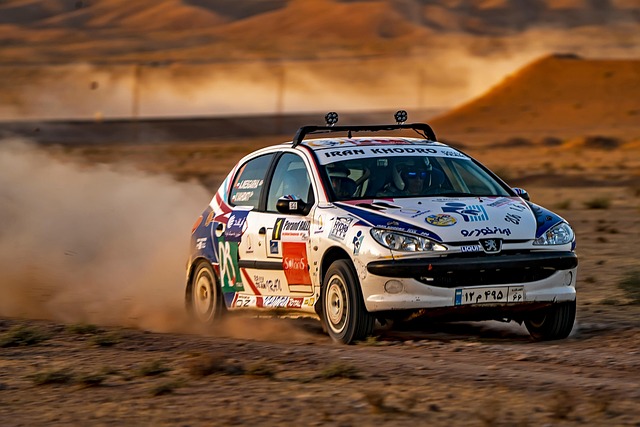
To streamline your rally car setup, you must select rally racing-specific components designed to excel in the unique demands of this dynamic sport. Unlike road cars, rally vehicles need to withstand rapid changes in terrain and driving conditions, requiring specialized parts that enhance performance and safety. Consider investing in high-performance tires tailored for various surfaces—from mud and snow to gravel and tarmac—to ensure optimal grip and traction during time trials.
Moreover, advanced suspension systems are crucial for navigating challenging rally racing tracks. Adaptive or adjustable suspension components allow fine-tuning for different road conditions, ensuring your car maintains stability and control even on rough terrain. Top-tier braking systems are another essential element; powerful calipers and high-performance pads significantly improve stopping power, a vital safety feature in the fast-paced world of rally racing.
When selecting rally racing cars, focus on models known for their agility and durability. Vehicles with lightweight construction, robust engines, and advanced driver aids offer a competitive edge. For instance, the Ford Fiesta RS is a popular choice for its excellent handling and reliable performance, while the Subaru Impreza WRX STi stands out for its all-wheel drive system and robust engine. Remember that rally racing time trial techniques heavily rely on vehicle setup, so investing in the right components can significantly enhance your overall performance on the track or road.
Proper rally racing track preparation also plays a pivotal role in streamlining your setup. Understanding the specific challenges of each stage—from gravel climbs to forest roads—allows you to fine-tune your car accordingly. This may involve adjusting tire pressure, modifying suspension settings, or even swapping out components to better suit the terrain. By combining rally racing time trial techniques with well-chosen vehicles and meticulous preparation, you’ll be well on your way to achieving top performance in any rally event.
Optimize Tire Choice and Pressure
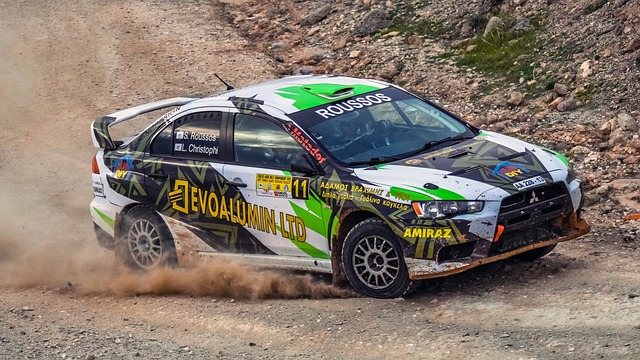
Optimizing tire choice and pressure is a critical aspect of streamlining your rally car setup. This involves selecting the right tires for your specific rally racing event, considering factors such as terrain, weather conditions, and vehicle characteristics. Top rally racing teams worldwide consistently prioritize this detail, understanding that it can make or break a race. For instance, teams participating in muddier rallies might opt for tires with deeper treads designed to grip wet, loose surfaces, while those on tarmacked stages may favor slick tires for enhanced speed and cornering abilities.
When selecting rally racing tires, pay close attention to pressure recommendations from both the tire manufacturer and your vehicle’s specifications. Inaccurate inflation can lead to reduced traction, increased wear, and even dangerous handling issues. A common rule of thumb is to start with the recommended cold pressure, but remember that temperature fluctuations during a race can affect tire performance. For extreme conditions, some experts suggest using a slight oversize (e.g., 2 percent higher) to account for temperature variations. Top rally destinations like Finland and Wales, known for their varied terrain and weather, underscore the importance of precise tire pressure management.
Additionally, consider the compound and construction of your tires. Different compounds offer varying levels of grip and wear resistance, with some optimized for cold conditions and others for warm stages. Tire construction plays a role in cornering precision and stability as well. Consult with tire specialists who can guide you based on the specific rally racing event you’re planning to participate in. They can also provide insights into the best maintenance practices, including how often to check and adjust pressure during prolonged rallies. By meticulously optimizing your tire setup, you’ll not only enhance performance but also contribute to a safer and more enjoyable experience behind the wheel.
Fine-Tune Suspension for Optimal Performance

To achieve optimal performance in rally racing, fine-tuning your suspension setup is paramount. This involves a meticulous balance between comfort, control, and speed—a delicate equilibrium that can make all the difference on treacherous rally cross tracks. Select Rally Racing naturally prioritizes precision engineering, leveraging data from extensive testing to tailor suspension components like springs, shock absorbers, and anti-roll bars to your car’s unique characteristics and driving style.
Consider enrolling in a rally racing navigators school to gain invaluable insights into the nuances of track design and driver techniques. These schools often offer courses on advanced suspension setup methodologies, teaching you how to interpret data logs and make adjustments for maximum grip and precision cornering. Think of it as fine-tuning not just your car but your partnership with it—a symphony of motion that translates raw driving skill into victories.
Moreover, exploring rally racing sponsorship deals can provide access to cutting-edge suspension technology developed by industry leaders. These partnerships often come with technical support and insights gleaned from years of experience on the world’s most demanding rally stages. For instance, top-tier sponsors might offer tunable shock absorbers that allow for real-time adjustments during a race, giving you an edge over competitors who rely solely on pre-set configurations.
Ultimately, the key lies in understanding your car’s dynamics and the specific demands of each rally stage. A well-tuned suspension not only enhances speed but also increases safety by ensuring better control and stability through corners. Whether navigating winding mountain roads or traversing rough terrain, a fine-tuned setup can be the game changer that separates average from exceptional performance in rally cross competitions.
Balance Power Delivery for Control and Speed
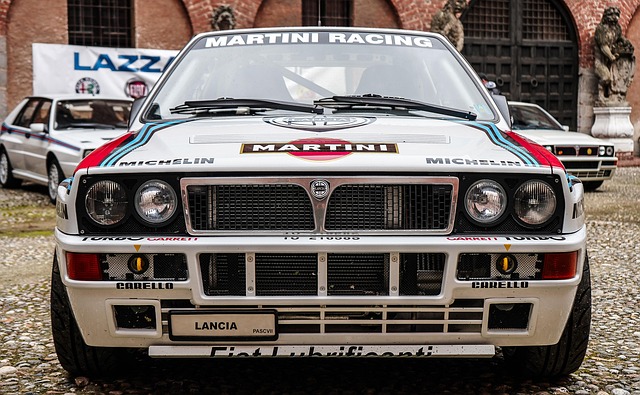
A key aspect of streamlining your rally car setup is balancing power delivery for both control and speed. This involves a delicate interplay between engine tuning, transmission settings, and—crucially—rally racing tire selection. The right tires can transform your vehicle’s performance, allowing you to navigate tight corners with precision and charge through straight-lines with breathtaking velocity.
Consider the unique demands of rally racing. Unlike road cars, rally cars are designed for agility and maneuverability on unpaved surfaces. Female rally racing drivers, known for their skill and perseverance, rely on specialized tires that offer exceptional grip on loose terrain. A tire with a balanced compound can provide both quick acceleration and consistent performance throughout the stage, preventing premature wear and ensuring optimal control.
When selecting your rally racing tire, look for options tailored to your specific driving style and the characteristics of the stages you’ll be tackling. Beginners might opt for all-season tires that offer a safe bet for varied conditions. More experienced drivers can explore specialized options based on their preferred terrain, such as wet, dry, or mixed surfaces. Remember, proper tire selection is only one piece of the puzzle. It must be combined with precise suspension tuning and driver technique to achieve true efficiency in power delivery.
Ultimately, achieving a harmonious balance between control and speed requires constant iteration and fine-tuning. Data from each stage—including cornering speeds, braking distances, and tire wear—should inform your adjustments. This continuous learning process is what separates the novice from the expert, driving them to master not only the gear for beginners (like specialized rally racing suits and helmets) but also the nuanced aspects of setup that truly elevate their game.
By Select Rally Racing-specific components, optimizing tire choice and pressure, fine-tuning suspension for optimal performance, and balancing power delivery for control and speed, you can significantly streamline your rally car setup. These key insights empower you to enhance both the efficiency and effectiveness of your vehicle, ensuring it’s tailored to the unique demands of rally racing. Moving forward, prioritize these strategic adjustments, allowing you to confidently navigate challenging terrain with improved control and speed, solidifying your position as a formidable competitor on the racecourse.