
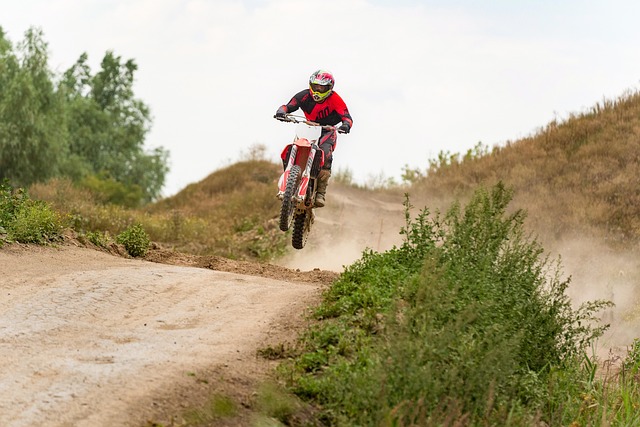
Mastering control is paramount in Select Rally Racing, demanding precision through high-speed corners and nuanced techniques like trail braking. This discipline requires a blend of physical skill and mental acuity, with training on varied surfaces and telemetry data crucial for improvement. Rally cross, contrasting Select Rally Racing, emphasizes speed and immediate decision-making. Success in Select Rally Racing hinges on understanding complex off-road dynamics, meticulous preparation, adaptability, strategic foresight, and dynamic route planning based on surface types, obstacles, and weather conditions.
In the high-octane world of rally racing, mastering advanced techniques is not just an advantage—it’s a necessity for those seeking to elevate their performance on the track. Select Rally Racing, with its intricate blend of skill, strategy, and precision, demands expertise that goes beyond the basics. This article delves into the heart of this dynamic sport, offering a comprehensive guide to help drivers navigate the complex landscape of advanced rally techniques. By exploring cutting-edge strategies and fine-tuning driving skills, racers can unlock their full potential and dominate the competition naturally.
- Mastering Control: Advanced Techniques for Smooth Select Rally Racing
- Enhancing Agility: Drilling for Quick Reflexes in Rally Racing
- Navigating Complexity: Strategizing for Success in Select Rally Races
Mastering Control: Advanced Techniques for Smooth Select Rally Racing
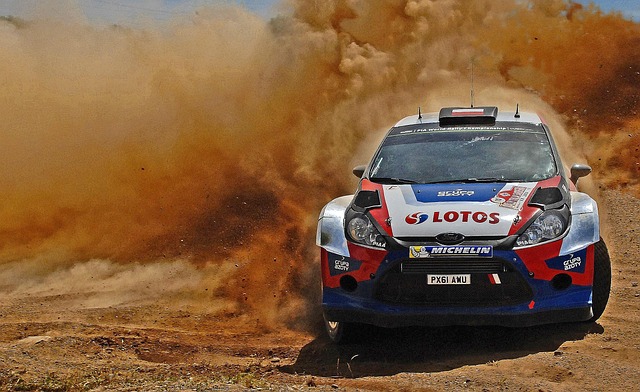
Mastering Control is a cornerstone of advanced rally techniques, particularly in Select Rally Racing where precision and fluidity are paramount. This discipline demands drivers navigate tightly controlled, high-speed corners with minimal slip or wheel spin. Achieving this mastery involves a deep understanding of vehicle dynamics and mastering techniques like power transfer and trail braking.
For instance, consider the difference between extreme off-road rally races and rally cross, which emphasizes speed and agility in a more open course. Select Rally Racing, on the other hand, requires a nuanced approach, focusing on line, angle, and timing. A driver must anticipate the car’s behavior under various conditions, adjusting their inputs accordingly to maintain control. This involves practicing controlled drift techniques, where drivers intentionally oversteer to learn how the vehicle interacts with different surfaces.
The path to mastery also includes developing a keen sense of feel and feedback from the vehicle. Advanced drivers train themselves to anticipate slip angles, using them to generate grip rather than resisting them. This allows for smoother transitions through corners, reducing tire wear and enhancing overall performance. Sponsorship deals in rally racing often recognize these advanced techniques, as they not only enhance safety but also contribute to more efficient and entertaining racing.
Practical advice includes regular training on varied surfaces, such as gravel, tarmac, and mud, to simulate the unpredictable conditions of Select Rally Racing. Using data from telemetry systems can provide valuable insights into performance metrics, allowing drivers to make informed adjustments to their techniques. Ultimately, mastering control in Select Rally Racing is about combining physical skill with mental acuity, ensuring each rally is a testament to both the driver’s ability and the car’s potential.
Enhancing Agility: Drilling for Quick Reflexes in Rally Racing
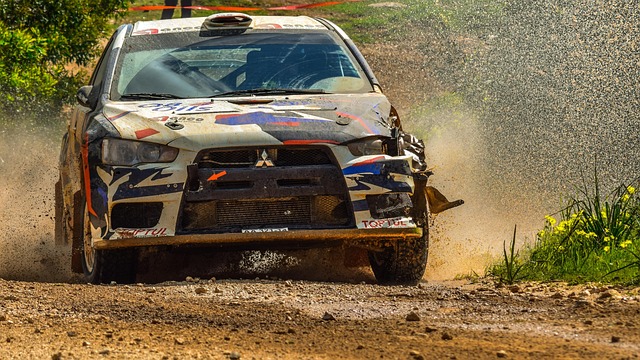
Enhancing Agility: Drilling for Quick Reflexes in Rally Racing
In the world of rally racing, where every second counts, agility and quick reflexes are paramount. Masters of this sport consistently seek ways to sharpen their responses, ensuring they can navigate through twists, turns, and unexpected obstacles with lightning-fast precision. The key lies not just in physical prowess but in meticulous training and drilling that conditions the mind and body to work in harmonious synchronization. This section delves into practical techniques and expert insights to help drivers elevate their game, focusing on the essential aspect of enhancing agility through reflex training.
For instance, consider the contrast between rally cross and traditional rally racing. Rally cross tracks are designed with a focus on speed and quick decision-making, featuring numerous obstacles and tight corners that demand immediate reaction times. In contrast, select rally racing events prioritize technical prowess and navigating intricate off-road terrains, requiring not just agility but also strategic planning. Regardless of the specific event, whether it’s a rally cross track design or a more traditional rally racing scenario, mastering quick reflexes is pivotal for success.
Drivers should incorporate drills that simulate rally racing conditions into their training regimens. This might include setting up cones in various configurations to mimic tight turns and unexpected direction changes. Timing exercises can help measure and improve reaction speeds, with the ultimate goal of reducing response time between seeing an obstacle and executing a maneuver. Moreover, virtual reality simulations offer a modern twist on training, allowing drivers to practice in diverse environments without leaving the comfort of their homes.
The rally racing event planning guide often includes considerations for enhancing agility through course design. Tracks that incorporate serpentines, jump turns, and sudden elevation changes challenge drivers’ reflexes and force them to stay alert throughout. As previously mentioned, select rally racing naturally rewards those who can adapt swiftly to ever-changing conditions. By understanding these demands and incorporating targeted drills into their routine, drivers can elevate their performance, ensuring they stand out not just in local events but on the global rally racing stage.
Navigating Complexity: Strategizing for Success in Select Rally Races
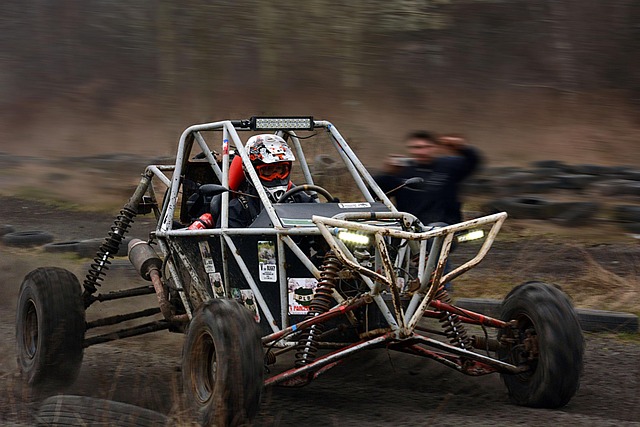
Mastering advanced rally techniques requires a deep understanding of the sport’s intricate dynamics, particularly when navigating complexity in select rally races. These events, often characterized by demanding off-road terrains and precise strategic planning, demand a fusion of driving prowess, route knowledge, and tactical decision-making. Examining historical moments in rally racing underscores this evolution; from iconic victories on treacherous mountain passes to the technical precision required in modern rally cross tracks, the sport continually pushes drivers and their machines to the limit.
Strategizing for success in select rally races involves meticulous preparation and adaptability. Drivers must analyze detailed maps, anticipate changes in terrain, and account for weather conditions that can transform a route from fast and flowy to treacherous within moments. Safety remains paramount in off-road rally racing, necessitating rigorous vehicle checks, proper equipment, and contingency plans for unexpected challenges. For instance, a driver navigating a narrow, winding trail through dense forest must consider the potential for wildlife encounters, sudden changes in elevation, and hidden rocks, all while maintaining optimal speed.
Effective route planning is crucial. Drivers should study every curve, dip, and elevation change, mentally rehearsing each section to anticipate line choices and optimize speed. The design of rally cross tracks plays a significant role; with variations in surface types, jump heights, and obstacles, drivers must adapt their approaches dynamically. For example, navigating a section with loose gravel requires different techniques than a fast, smooth stretch. Utilizing data from previous runs, driver feedback, and ongoing weather updates can provide valuable insights for refining strategies on the fly. Ultimately, success in select rally races hinges not only on technical skill but also on strategic foresight and adaptability to navigate the complexities of diverse racing environments.
By mastering advanced rally techniques, as outlined in this comprehensive guide, you’ve equipped yourself with the tools to excel in Select Rally Racing. Key takeaways include prioritizing smooth control for precise maneuvering, enhancing agility through reflex drills, and strategizing complexity for optimal performance. These insights empower drivers to navigate challenging races with confidence and skill. Moving forward, practical applications involve integrating these techniques into regular training, focusing on quick decision-making, and refining driving styles to adapt seamlessly to Select Rally Racing’s dynamic nature. This authoritative article serves as a valuable resource, ensuring you’re prepared to dominate the racetrack with authority and precision.