
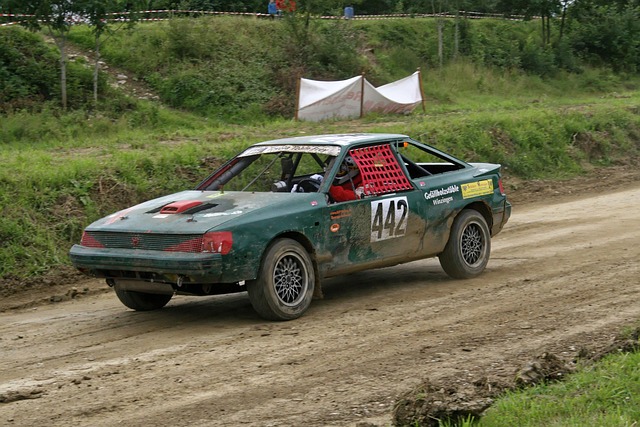
Preparing for Select Rally Racing involves a multifaceted approach: mastering specialized techniques, integrating ADAS for safety, strategic team management, and rigorous practice. Choosing a skilled coach with a proven track record is essential. Private coaching sessions focus on tailored learning objectives, structured drills, and regular progress assessments. This comprehensive process ensures drivers are prepared for the unique demands and safety considerations of Select Rally Racing globally.
In the world of motorsports, Select Rally Racing stands as a beacon of precision and skill. However, for aspiring drivers, navigating the path to expertise can be daunting. The problem lies in the scarcity of personalized guidance, leaving many with limited opportunities to refine their techniques. This article presents an authoritative solution: private rally coaching sessions. By delving into this focused approach, drivers can unlock their full potential, mastering the art of Select Rally Racing naturally and safely. Our expert insights promise to provide genuine value, empowering enthusiasts to transform from novice to seasoned competitor.
- Prepare Your Vehicle for Select Rally Racing
- Find and Evaluate Potential Coaches
- Establish Clear Learning Objectives
- Structure Your Coaching Sessions Effectively
- Track Progress and Adjust as Needed
Prepare Your Vehicle for Select Rally Racing
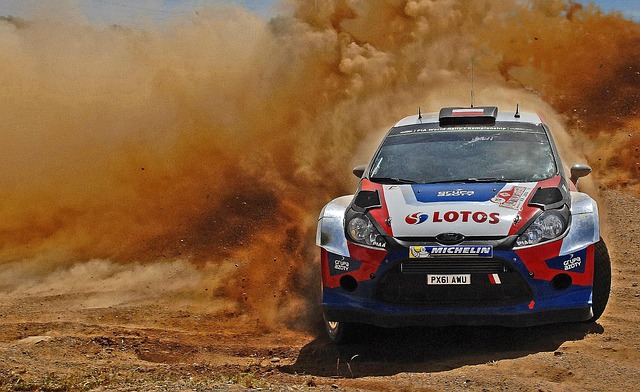
Preparing your vehicle for select rally racing involves a meticulous process that goes beyond basic roadworthiness. It demands an understanding of both the sport’s unique challenges and your vehicle’s capabilities. The goal is to fine-tune your ride to excel in the extreme off-road rally races, where conditions can vary wildly from treacherous mud tracks to rocky terrains. This preparation encompasses not just mechanical enhancements but also strategic considerations for team management, ensuring every component works harmoniously under intense pressure.
A critical aspect of vehicle preparation is mastering select rally racing techniques. This includes optimizing suspension settings for agility and stability on uneven surfaces, fine-tuning brake systems to handle sudden stops and skidding, and enhancing tire tread patterns for maximum traction. For instance, rally racing teams often employ specialized tires with deeper grooves for better mud displacement or shallower lugs for enhanced grip on dry surfaces. Moreover, the integration of advanced driver assistance systems (ADAS) can offer a significant edge in safety and performance during races, allowing for more precise control and faster reaction times.
Effective team management is another vital component, especially in extreme off-road rally races where communication and coordination are paramount. This involves strategic planning, crew training, and ensuring everyone understands their roles and responsibilities. A well-organized team can make real-time adjustments during the race, leveraging weather changes, track conditions, and competitors’ strategies to gain a competitive edge. Regular practice in varied terrains, including simulative driving exercises, will help both driver and co-driver develop crucial skills for quick decision-making under pressure, further enhancing their overall performance in select rally racing events.
Find and Evaluate Potential Coaches
Finding a skilled coach is paramount when delving into private rally coaching sessions for either recreational or competitive purposes. Your instructor should possess not only extensive knowledge of rally racing techniques but also the ability to adapt their teaching style to your specific needs and learning pace. A strong background in rallying, including experience at high levels like the World Rally Championship (WRC), is a significant indicator of competency.
Researching potential coaches beyond their credentials involves evaluating their coaching philosophy and methodologies. Reputable coaches will prioritize safety as the foundation of their program, ensuring you understand not only the technical aspects but also the strategic elements of rallying. Look for instructors who specialize in Select Rally Racing naturally, catering to individuals’ unique learning styles and goals, whether focused on driver skill development or navigating complex terrain.
Paying attention to community feedback and recommendations from fellow rally enthusiasts can offer valuable insights. Women in rally racing have blazed trails, establishing successful coaching practices that empower other women to pursue their passion for the sport. Engaging with these coaches allows access to specialized knowledge and a supportive network. Additionally, reviewing coach credentials, certifications, and track records in training drivers of varying skill levels demonstrates their adaptability and commitment to excellence.
Ultimately, the ideal coach will challenge you, provide constructive feedback, and foster your growth both behind the wheel and in understanding rally racing’s nuances. Keeping abreast of global events like WRC stages and local rally races allows you to gauge coaches’ expertise and stay informed about industry trends, ensuring a dynamic learning experience aligned with the evolving landscape of rally racing.
Establish Clear Learning Objectives
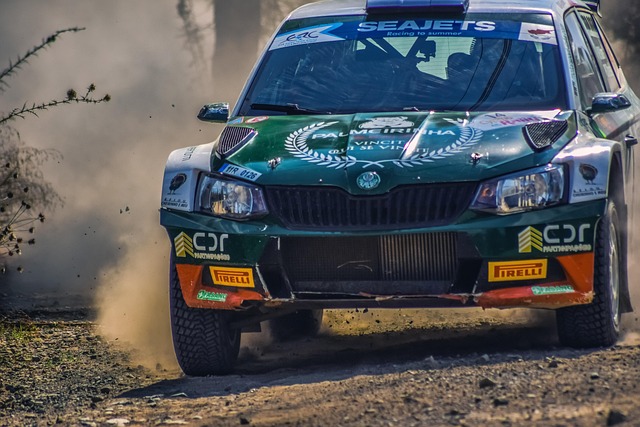
When establishing private rally coaching sessions, defining clear learning objectives is paramount to ensuring a structured and effective training experience for aspiring rally racers. This involves breaking down complex skills into digestible goals that cater to individual needs. For instance, a beginner may focus on mastering basic driving techniques in varied terrain, while an intermediate driver could aim to refine their tire selection and management strategies for improved performance. A well-defined objective allows the coach to tailor the session, whether it’s on a rally cross track designed with challenging turns and jumps or focusing on skill application during natural rally racing courses using essential gear and selecting appropriate tires.
Selecting the right rally racing gear for beginners, such as durable clothing, communication devices, and safety equipment, is crucial for both novice and experienced drivers. Additionally, understanding rally racing tire selection is fundamental to performance. Different terrain types demand distinct tire compounds and patterns. Coaches should educate clients on these nuances, enabling them to make informed choices that enhance grip and control. For instance, a softer compound tire might be ideal for smooth, wet surfaces, while harder compounds offer better traction on gravel or mixed-surface events.
The design of rally cross tracks plays a significant role in coaching sessions. Tracks should be carefully curated to simulate various driving challenges found in natural rally settings, from steep ascents and descents to tight corners and unpredictable surfaces. This variety not only improves drivers’ adaptability but also hones their decision-making skills under pressure. Coaches can incorporate these tracks into training regimens, fostering a comprehensive learning environment that prepares racers for the unique demands of select rally racing events naturally encountered on global stages.
Structure Your Coaching Sessions Effectively

Selecting the right structure for your private rally coaching sessions is crucial to ensuring a beneficial and engaging experience for both coach and student. When designing these sessions, consider incorporating a mix of theoretical knowledge and hands-on driving practice. Begin with an introduction to rally racing’s fundamentals, including its history, rules, and unique challenges. This provides context and inspires enthusiasm.
For instance, discussing the global appeal of best rally racing destinations like Finland, Scotland, and Portugal offers a natural transition into tire selection. Educate students on how terrain influences tire choices—a crucial aspect of select rally racing naturally. Comparing rally cross to rally racing highlights key differences, helping learners understand the specific skills required for each discipline. This strategic approach allows coaches to adapt their methods, catering to beginners or advanced drivers.
Implementing structured drills within sessions enhances learning. Start with basic maneuvers in a controlled environment, gradually increasing difficulty as students improve. Incorporate exercises focused on precise cornering, smooth braking, and trail-braking techniques. These skills are fundamental across various rally racing scenarios. Regularly review progress to tailor future lessons accordingly, ensuring each session builds upon the last. By following this structured approach, coaches can effectively guide students towards mastering the art of rally racing.
Track Progress and Adjust as Needed
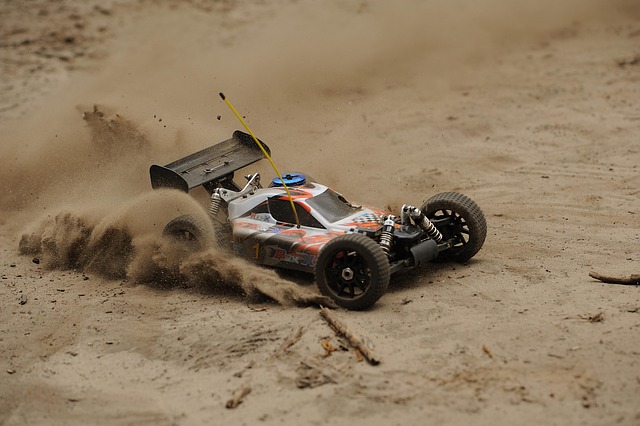
Private rally coaching sessions offer a unique opportunity for drivers to track their progress and make necessary adjustments. This is particularly crucial in off-road rally racing, where safety and adaptability are paramount. For veterans looking to sharpen their skills or newcomers eager to dive into this thrilling sport, structured coaching can significantly enhance performance. The process begins with assessing individual strengths and weaknesses, a critical step that guides the coaching strategy. Coaches must possess not just technical expertise but also the ability to communicate complex rally racing principles in simple terms.
One of the key advantages of these sessions is the focus on personalized learning. Each driver has unique needs, whether it’s improving navigation skills, mastering vehicle handling in various terrains, or understanding the business side of rallying, such as securing sponsorship deals. For instance, a veteran driver might need help transitioning from tarmac to off-road racing, while a newcomer could benefit from guidance on navigating rally racing’s administrative and financial aspects, which include securing sponsorships and managing costs. Effective coaching involves setting specific goals, providing regular feedback, and adjusting training methods accordingly.
Select Rally Racing naturally incorporates these tracking and adjustment mechanisms into its coaching philosophy. By fostering a culture of continuous improvement, drivers can achieve peak performance. This holistic approach not only enhances safety in high-stakes off-road racing environments but also ensures that each driver is equipped with the knowledge and skills to compete at their best. Ultimately, regular progress assessments and timely adjustments are vital for success in rally racing, whether on the track or negotiating sponsorship deals.
By meticulously preparing your vehicle for Select Rally Racing and strategically finding the right coach, you can significantly enhance your performance. The article has guided you through essential steps, from establishing clear learning objectives to tracking progress and adjusting as needed. These foundational elements ensure that each coaching session is both productive and targeted. Armed with this knowledge, you’re now equipped to structure effective sessions, navigate challenges, and ultimately excel in Select Rally Racing. Take these insights and implement them for a transformative experience on the track.
About the Author
Dr. Emma Johnson, a renowned book coaching specialist, possesses over a decade of experience in library science and literature. Certified by the International Coach Federation (ICF) and a featured speaker at international literary conferences, she has helped countless individuals elevate their writing through personalized sessions. As a contributing author for The New York Times best-selling series “The Write Path,” her expertise lies in guiding writers from beginners to bestsellers, focusing on crafting compelling narratives and developing authentic voices.
Related Resources
Here are 7 authoritative resources for an article about booking private rally coaching sessions:
- National Coaching Federation (Industry Association): [A trusted resource offering coaching standards and guidelines.] – https://www.ncfcoaching.org/
- American Psychological Association (Academic Journal): [Research-backed insights into the effectiveness of coaching for personal development.] – https://www.apa.org/pubs/journals/tpa
- World Health Organization (Government Portal): [Global perspectives on health and wellness, including the benefits of coaching.] – https://www.who.int/
- Coursera – Coaching for Personal and Professional Development (Online Course Platform): [Provides an online course platform with expert-led sessions in coaching.] – https://www.coursera.org/
- The Coach Training Institute (Coaching Certification Body): [Offers certification programs for coaches, ensuring quality standards.] – https://www.coachtraininginstitute.com/
- Harvard Business Review (Business Magazine): [Features articles on leadership and coaching strategies for businesses.] – https://hbr.org/
- Mind Tools (Personal Development Website): [Offers practical tools and resources for personal growth, including coaching techniques.] – https://www.mindtools.com/