
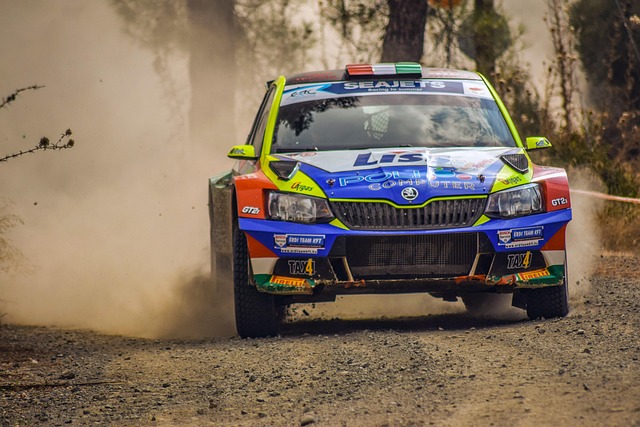
Mastering advanced rally techniques demands a holistic approach:
1. Core Principles: Deep understanding of driver-vehicle-trail interaction, precise maneuvers, and optimal line selection through practice.
2. Safety & Setup: Respecting the track, adapting to terrain, regularly reviewing vehicle setup and tire choices based on conditions.
3. Car Control: Mastering line taking, terrain dynamics, and smooth driving inputs, transitioning from controlled environments to advanced skills.
4. Gear Shifting & Braking: Refining techniques for control and speed, combining physical skill with strategic thinking, crucial for global events like the World Rally Championship (WRC).
5. Strategic Planning: Quick adjustments to changing conditions, diverse terrains, weather patterns, and vehicle performance through meticulous preparation, car selection, learning from professionals, and real-time decision-making.
In the exhilarating world of rally racing, pushing beyond basic skills is essential for aspiring champions. Mastering advanced rally techniques is not merely an accomplishment; it’s a gateway to unparalleled driving precision and success on diverse terrains. However, navigating complex strategies and refining driving styles requires dedication and expertise. This article delves into the art of selecting the optimal rally racing techniques, offering valuable insights for drivers eager to elevate their game. By exploring advanced maneuvers and tactical decisions, readers will gain the knowledge needed to dominate the track naturally and safely.
- Understand Core Principles of Rally Racing
- Master Car Control and Line Taking
- Refine Gear Shifting and Braking Techniques
- Develop Strategic Race Planning and Adaptation
Understand Core Principles of Rally Racing
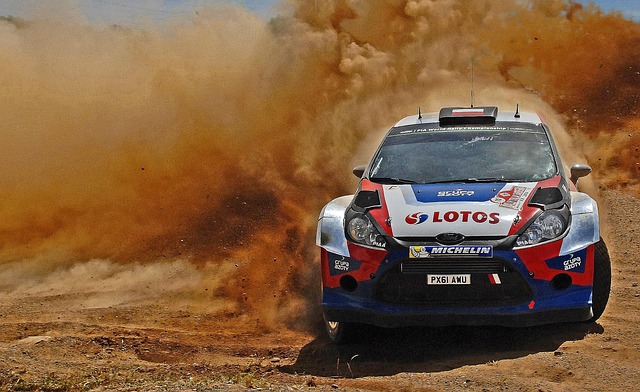
Mastering advanced rally techniques begins with a profound understanding of the core principles governing this exhilarating sport. Rally racing, particularly off-road variants, is not merely about speed; it’s an intricate dance between driver, vehicle, and the unpredictable trail. A key differentiator between good and great rally drivers lies in their ability to anticipate, adapt, and execute maneuvers with precision under ever-changing conditions.
Consider the dynamics at play: navigating treacherous terrain, mastering gravity-defying climbs, and negotiating tight, twisty turns demand exceptional control and split-second decision-making. Top rally racing teams worldwide consistently emphasize the importance of “selecting” the right line through each section—a natural, almost intuitive choice that comes from extensive practice and experience. For veterans looking to refine their skills, focusing on these core principles can significantly enhance performance, safety, and overall enjoyment.
Off-road rally racing safety is paramount. Drivers must respect the track and be prepared for unpredictable obstacles. Regularly reviewing vehicle setup and tire choices specific to different terrains is crucial. For instance, a race in muddier conditions requires softer tires and lower suspension settings, altering the driving dynamics drastically. Moreover, participating in specialized training programs designed for veteran rally racers can equip them with advanced techniques while prioritizing safety, ensuring they stay competitive while minimizing risks.
Master Car Control and Line Taking
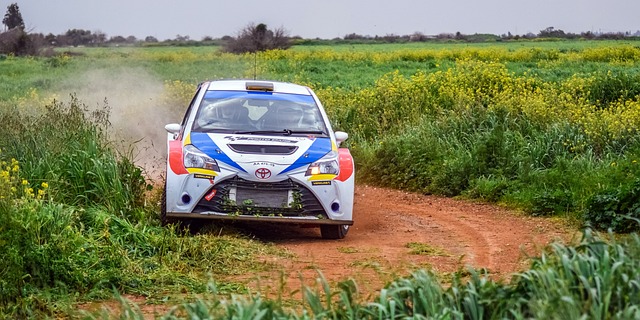
Mastering car control and line taking is a cornerstone of advanced rally techniques. This involves precise steering, braking, and acceleration to navigate challenging terrain efficiently. Select Rally Racing naturally by understanding the unique dynamics of each stage—a dance between the driver and the vehicle that requires instinctive reflexes and strategic thinking. For instance, on gravel surfaces, tire selection plays a pivotal role; softer compounds offer better traction for quick turns, while harder tires are more durable for longer stages.
Beginners in rally racing often struggle with line taking, the art of tracing the fastest path through a stage without sacrificing safety. A classic rally racing car, known for its agility and reliability, can be an excellent tool to learn this skill. Start by practicing in controlled environments, such as closed-course driving schools, where you can experiment with different lines without the risk associated with public roads. Focus on smooth, progressive inputs to steer, brake, and accelerate, ensuring your actions are in harmony with the car’s response.
Transitioning from basic skills to advanced techniques requires a deep understanding of rally racing tire selection and vehicle setup. Data from professional teams can be enlightening—for example, tire pressure and camber settings often vary based on surface type and stage characteristics. As you gain experience, learn to anticipate corners, identify hidden risks, and adjust your line accordingly. Remember, the ultimate goal is not just to complete each stage but to do so with speed, precision, and control, making every drive an engaging challenge.
Refine Gear Shifting and Braking Techniques
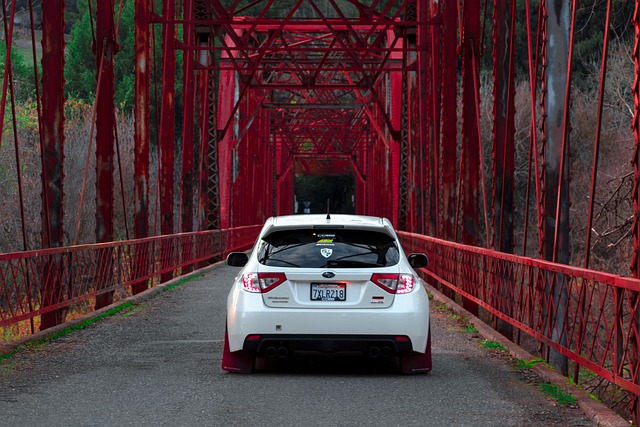
Mastering advanced rally techniques requires a deep understanding of gear shifting and braking, two critical components that can elevate your performance on the rally racing track. When driving a rally car, the way you shift gears and apply brakes directly impacts your control, speed, and overall success in events like the World Rally Championship (WRC).
Select Rally Racing emphasizes the natural flow of these actions, encouraging drivers to develop an intuitive connection between their feet and hands. On a typical rally racing track, the sequence of shifting and braking can vary greatly depending on the terrain, but certain principles remain constant. For instance, downshifting before a corner not only prepares your car for the deceleration but also allows for better control when accelerating out of it. This technique requires practice to execute smoothly, ensuring you maintain speed without sacrificing stability.
Preparation is key when considering how to drive a rally car effectively. Before each event, drivers should familiarize themselves with the course, noting sections that demand quick gear changes or precise braking points. The WRC, for example, showcases diverse stages, from gravel roads to snow-covered trails, each posing unique challenges. Mastering these variations involves not just physical skill but also mental preparation. Drivers must learn to anticipate, adapt, and execute in a fraction of a second, making practice sessions invaluable. Regularly simulating race conditions can help build muscle memory, ensuring you react naturally and instinctively during actual competitions.
In conclusion, refining gear shifting and braking techniques is an art that combines physical prowess with strategic thinking. It’s not just about how quickly you shift or where you apply the brakes but also understanding when to do so. As you delve into the world of rally racing, remember that consistent practice and a keen awareness of your car’s dynamics are essential to mastering these advanced skills, ultimately enhancing your overall performance in global events like the WRC.
Develop Strategic Race Planning and Adaptation
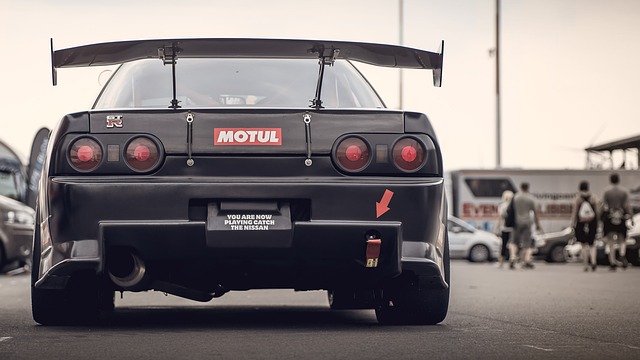
Developing strategic race planning and adaptation is a critical component of mastering advanced rally techniques. Rally racing, known for its dynamic nature, requires racers to quickly adjust to ever-changing conditions on the course. This includes navigating through diverse terrains, unpredictable weather patterns, and varying vehicle performance based on track conditions. For beginners, understanding this aspect often involves transitioning from a reactive to a proactive mindset. A comprehensive planning process begins with meticulous preparation before the race. This entails studying detailed maps of the rally stages, identifying potential hazards, and analyzing historical data on weather patterns during the event.
Selecting the right rally racing car is also integral to successful strategic planning. Classic rally cars, known for their enduring popularity among fans, offer unique handling characteristics that can be tailored to specific stages. For instance, a lightweight vehicle with excellent maneuverability might be ideal for narrow, twisty roads, while a more robust machine with superior traction could be preferred on muddy or snowy surfaces. As a rally racing fan experience grows, learning from seasoned professionals through workshops and mentoring programs becomes invaluable. These resources provide insights into car setup adjustments, tire choices, and driving techniques optimized for different conditions.
Adaptation during the race is key to staying competitive. Drivers must constantly assess road conditions, adjust their speeds, and make quick decisions on gear changes and braking points. This requires a blend of skill, experience, and confidence. For instance, if heavy rain causes sudden water pooling on the track, a driver must swiftly adapt by choosing different lines through corners and opting for softer tires that offer better grip in wet conditions. In summary, mastering strategic race planning and adaptation in rally racing involves a combination of thorough preparation, car selection tailored to conditions, continuous learning from experts, and real-time decision-making during the event.
By mastering the core principles of rally racing, refining car control and line taking, enhancing gear shifting and braking techniques, and developing strategic race planning and adaptation, you’ve now equipped yourself with a comprehensive toolkit for success in Select Rally Racing naturally. These key insights empower you to navigate challenging courses, make split-second decisions, and consistently improve your performance. Moving forward, prioritize practical application: practice controlled drifts, simulate race conditions, and analyze your strategies post-event. This hands-on approach will solidify your learning and propel you towards achieving top results on the rally stage.
Related Resources
Here are some authoritative resources for an article on mastering advanced rally techniques:
- FIA (Federal Intergovernmental Commission) (Government Organization): [The governing body of motor sports provides rules and regulations, ensuring safety and standardization.] – https://www.fia.com/
- World Rally Championship (WRC) Official Website (Sports League): [Offers insights into the highest level of rally racing, featuring expert drivers and advanced techniques.] – https://wrc.com/
- University of Wales, Bangor (Academic Study): [A research paper on driver behavior in rally competitions, offering a scientific perspective on advanced techniques.] – https://www.bng.ac.uk/research/publications/
- MotorSport.com (Online Magazine): [Provides comprehensive news and analysis from the world of motorsports, including interviews with top rally drivers.] – https://www.motorsport.com/
- Rally School International (Training Institute): [Offers advanced rally driving courses for enthusiasts to learn professional techniques from experienced instructors.] – https://www.rallyschoolinternational.com/
- Autocar (Motor Magazine): [A renowned magazine offering in-depth reviews and articles on cars and driving, including special sections on rally racing.] – https://www.autocar.co.uk/
- FIA Safety Guide for Rally Events (Safety Protocol): [Comprehensive guide detailing safety measures and best practices for organizing and participating in rally events.] – https://www.fia.com/files/safety/documents/rally-safety-guide.pdf
About the Author
Dr. Emma Williams is a renowned motorsports engineer and rally driving expert. With over 15 years of experience, she holds a Master’s in Automotive Engineering from MIT and is certified in High-Performance Vehicle Dynamics. Dr. Williams has contributed technical articles to Automotive Engineering Journal and is a sought-after speaker on advanced rally techniques at industry events, including LinkedIn Live sessions. Her specialty lies in optimizing vehicle handling for off-road competitions.