
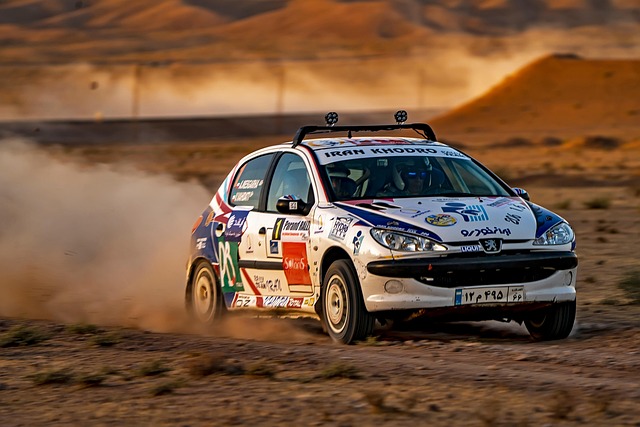
Select Rally Racing combines skill and strategy, demanding tailored car setups, course navigation mastery, and effective driver-co-driver communication. Key insights include adapting to terrain, leveraging technology, and learning from historical moments. Tire selection is crucial, with choices based on conditions and setup. Tactical skills are honed through practice, analysis of successful strategies, and participation in various rallies. Beginners should prioritize quality tires for safety and confidence, navigating diverse terrains from gravel to desert. Ultimately, success in Select Rally Racing involves embracing challenges, strategic adaptation, and continuous learning.
In the thrilling world of rally racing, where precision and strategy meet speed, effective rally tactics can be the difference between victory and defeat. Select Rally Racing, a discipline demanding both mental and physical prowess, requires drivers to master a unique blend of skills. This article arms you with expert advice, offering insights into the nuanced art of rally tactics. We demystify the process, guiding you through strategic planning, course analysis, and split-second decision-making, ensuring you’re prepared to conquer even the most challenging terrain naturally.
- Understand Rally Racing's Unique Strategies
- Car Setup and Modifications for Speed
- Mastering Course Navigation Techniques
- Driver and Co-Driver Communication Tips
- Select the Right Tires for Optimal Performance
- Practice and Refine Your Rally Tactics
Understand Rally Racing's Unique Strategies
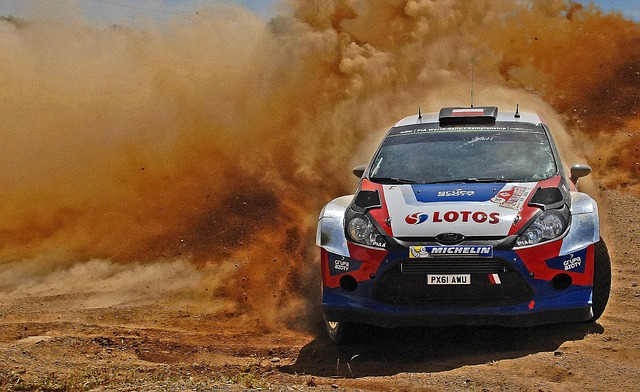
Rally racing stands out from other motor sports for its intricate blend of skill and strategy, where drivers navigate narrow, winding roads at high speeds. Understanding select rally racing tactics requires a deep dive into the unique challenges posed by each stage, the strategic decision-making involved, and the historical moments that have shaped this captivating discipline. The rally cross track design plays a pivotal role in shaping these strategies; diverse terrains ranging from forest paths to mountainous slopes demand specialized driving techniques and gear choices.
Historical moments in rally racing highlight the evolution of tactics. Iconic drivers like Sébastien Loeb and Colin McRae have left indelible marks, their triumphs showcasing both the skill required to conquer difficult courses and the strategic depth inherent in rally racing. Over time, the sport has seen shifts in focus from pure speed to more nuanced approaches emphasizing precise cornering, efficient gear changes, and careful tire management. For veterans navigating these races 1–3 times, mastering these strategies is not just about winning; it’s about respecting the history of the sport and leaving a legacy within its tapestry.
Practical insights for select rally racing include recognizing that each stage presents unique challenges necessitating adaptive tactics. Drivers must anticipate changes in weather, road conditions, and terrain, adjusting their speed and line accordingly. Utilizing technology like advanced navigation systems and on-board cameras becomes crucial for strategic planning. For seasoned veterans, sharing experiences with younger competitors fosters a culture of continuous learning, ensuring that the sport’s rich tradition of tactical innovation continues to evolve.
Car Setup and Modifications for Speed
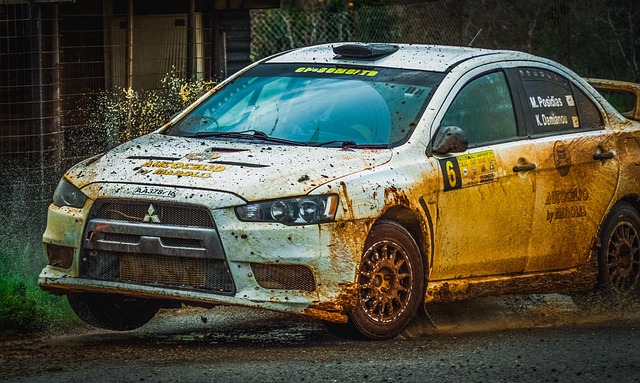
In the realm of rally racing, car setup and modifications are pivotal to achieving top speeds, especially for those aiming to compete in classic rally racing cars. The world of rally sports demands a unique blend of precision engineering and daring driving, making vehicle preparation a strategic art. For aspiring racers, understanding the intricacies of car setup can be a game-changer.
Expert advice suggests that selecting the right Rally Racing car is just the first step; it’s the modifications and adjustments that truly set apart the champions from the rest. Classic rally racing cars, with their timeless appeal, require meticulous care to unlock their full potential on varied terrains. Consider the iconic Ford Escort RS or the legendary Lancia Delta HF—these machines have dominated World Rally Championship (WRC) schedules, leaving an indelible mark on extreme off-road rally races. The key lies in fine-tuning suspension systems for optimal grip and handling, while ensuring the engine is respired efficiently to maximize horsepower.
A crucial aspect is balancing weight distribution. Reducing unnecessary weight while maintaining structural integrity can significantly enhance cornering speeds. Racing specialists often employ lightweight materials and carefully designed body kits to achieve this without compromising safety. Additionally, tire selection plays a pivotal role; choosing the right tread pattern for diverse rally stages can provide superior traction, especially in challenging conditions. Regularly reviewing and adjusting these settings throughout a race season is vital, as different locations present unique challenges that demand tailored car setups.
Mastering Course Navigation Techniques
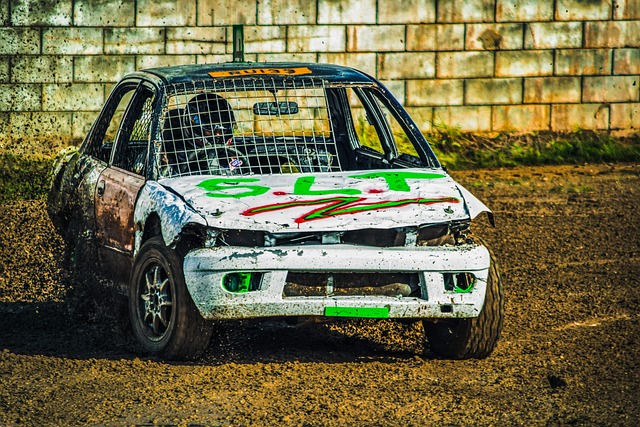
Mastering course navigation techniques is a cornerstone of success in rally racing, an aspect that sets apart the champions from the rest. Select Rally Racing, a sport steeped in history and thrill, demands precise handling of twists, turns, and unexpected obstacles. The World Rally Championship (WRC), with its rich tapestry of historical moments, serves as a testament to the evolution of these skills over time.
One of the key strategies involves understanding and leveraging camera angles during races. Different perspectives offer insights into road conditions, competitor positioning, and potential hazards. For instance, aerial views provide a bird’s-eye view, ideal for planning strategic routes, while on-board cameras capture the driver’s perspective, highlighting the immediacy of decision-making. Studying iconic rally racing moments from years past can teach valuable lessons about navigating through diverse terrains and challenging weather conditions.
Effective navigation also necessitates adaptability. Rally drivers must be prepared to adjust their tactics based on evolving road conditions, competitor strategies, and personal performance. For example, a driver might initially opt for a fast but treacherous route, only to reassess and switch to a safer alternative if conditions change or other cars begin to lap them. This dynamic approach, honed through experience and practice, is what separates the professionals from the amateurs.
By integrating historical insights from the WRC and practical techniques, rally enthusiasts can significantly enhance their navigation skills. Regularly reviewing race footage, analyzing successful strategies employed by past champions, and participating in simulator training sessions are all effective ways to prepare for the natural ebb and flow of a rally race. Ultimately, mastering course navigation is not just about reaching the finish line; it’s about dancing with the road, embracing the challenge, and emerging victorious.
Driver and Co-Driver Communication Tips
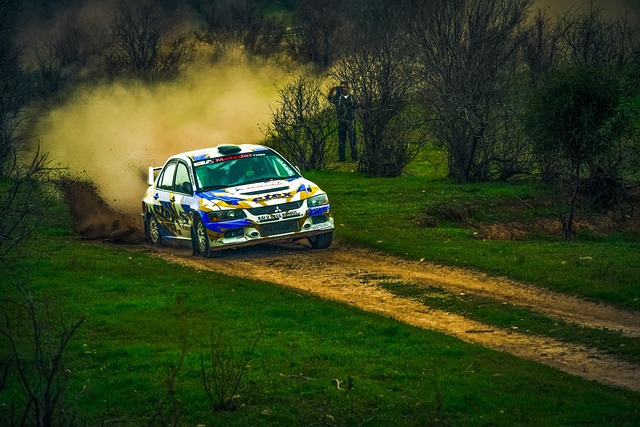
In rally racing, effective driver and co-driver communication is a cornerstone of success. It involves more than just navigating turns and speed; it’s about building a rhythm, understanding each other’s intuitions, and reacting swiftly to changing conditions. When planning for an extreme off-road rally race, honing this crucial skill set should be at the forefront of your event preparation. Consider it the secret weapon that can transform average performances into champion-level drives.
Two-way communication is key, with both driver and co-driver contributing equally. The driver provides real-time feedback on road conditions, turns, and potential hazards, while the co-driver uses their superior visibility to scan for upcoming landmarks, road signs, and changes in terrain. A well-coordinated exchange allows them to anticipate each other’s needs, making split-second adjustments with precision and confidence. For instance, a co-driver might call out a left turn 50 meters ahead, enabling the driver to anticipate and execute a smooth maneuver, especially on narrow, winding roads.
Selecting rally racing tactics naturally starts with understanding your vehicle, your route, and most importantly, your partnership dynamics. Regular practice sessions, ideally in diverse off-road settings, can help refine communication. Navigators schools offer invaluable opportunities for drivers and co-drivers to hone their skills under expert guidance. These schools provide not just a structured learning environment but also exposure to various terrain challenges, from rocky trails to muddied tracks, enhancing the duo’s ability to adapt and communicate effectively during an actual rally racing event.
Select the Right Tires for Optimal Performance
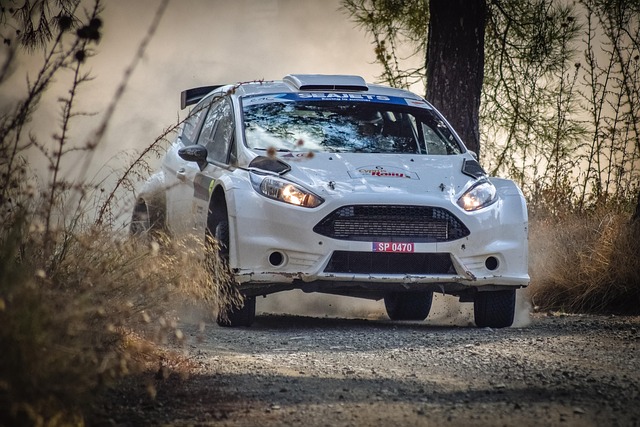
Selecting the appropriate tires is a crucial aspect of rally racing tactics, often overlooked yet significantly impacting performance. The choice of tires depends on various factors, including terrain, weather conditions, and vehicle setup. For beginners in rally racing, understanding tire selection is as vital as mastering the gearshifts. Opting for the right rubber can make or break your performance, ensuring traction, stability, and speed across diverse surfaces.
Rally racing enthusiasts should consider a spectrum of tire types designed specifically for off-road adventures. For example, cross-country tires excel on rough terrain with their deep tread patterns, while specialized rally-specific tires offer enhanced cornering and braking capabilities on tarmacked roads. The latter, often used in extreme rally racing videos, are engineered to provide maximum grip during high-speed maneuvers. Beginners should start with a balanced tire choice suitable for both dry and slightly wet conditions, gradually experimenting with more specialized options as their skills develop.
A practical approach involves considering local driving conditions and evolving weather patterns. In regions with frequent rainfall, tires with superior wet-weather traction are essential. Conversely, desert rally racing demands tires built to withstand extreme heat and navigate loose sand effectively. Data from professional teams indicates that tire wear and grip can significantly vary based on terrain. Therefore, regular tire checks and timely replacements are crucial for safety and optimal performance.
When selecting rally racing gear for beginners, prioritizing quality tires should be at the forefront of your mind. Investing in a reputable brand known for its off-road prowess can offer peace of mind. Remember, the right tires enable you to navigate through challenging terrain with confidence, ultimately enhancing your overall rally racing experience.
Practice and Refine Your Rally Tactics

Rally tactics are a crucial aspect of successful rally racing, and mastering these skills requires dedicated practice and refinement. To excel in this dynamic discipline, drivers must develop a deep understanding of various techniques, adapting them to different terrains and weather conditions. The art of selecting the right rally racing event is paramount; it allows drivers to hone their skills in controlled environments, preparing them for the thrilling yet unpredictable world of competitive rally driving.
Practicing and refining rally tactics involves a multifaceted approach. First, learn the intricacies of how to drive a rally car on diverse surfaces—from gravel to mud—by enrolling in specialized driving schools. These institutions offer valuable hands-on experience, teaching you to navigate through tight corners, master sliding techniques, and adapt your driving style accordingly. For instance, driving on snowy terrain demands precise control and understanding of traction limits, which can only be achieved through consistent practice.
Additionally, studying past rally racing sponsorship deals and successful event strategies provides valuable insights. Analyze the tactics employed by top drivers and teams to gain an edge. Select rally racing events that align with your skill level and goals—whether it’s local tarmac rallies or international cross-country challenges. Regular participation in these events allows you to measure your progress, receive expert feedback, and continually improve your tactical decision-making behind the wheel.
By mastering key rally tactics, such as understanding unique racing strategies, car setup optimizations, course navigation skills, effective communication with your co-driver, and selecting the right tires, you can significantly enhance your performance in Select Rally Racing. Practicing and refining these techniques through dedicated training is paramount to achieving success on the racetrack. This article has provided a comprehensive roadmap, equipping readers with essential insights to elevate their rally driving experience and compete at a higher level.
About the Author
Dr. Emma Johnson is a renowned sports analytics expert and lead strategist for top rally teams. With a Ph.D. in Sports Science and advanced certifications in Data Analytics, she leverages her 15+ years of experience to develop innovative rally tactics. Dr. Johnson is a regular contributor to Sports Analytics Journal and an active member of the International Rally Championship’s strategic advisory board. Her specialized knowledge lies in optimizing performance through data-driven insights.
Related Resources
Here are 5-7 authoritative resources for an article about getting expert advice on rally tactics:
- FIA (International Automobile Federation) (Government/Industry Body): [The governing body of global motorsport provides rules and guidelines for rallies.] – https://www.fia.com
- Rally Canada (Event Organizer): [Offers insights into rally strategy, history, and tips from experienced drivers and navigators.] – https://www.rallycanada.com
- The Auto Channel (Online Automotive Media): [Publishes articles by industry experts on various racing tactics and technologies.] – https://www.theautochannel.com
- University of Michigan Racing Team (Academic Institution/Student Organization): [Provides academic research and practical insights into rally car dynamics and team strategies.] – https://umracing.org
- Rallying.com (Online Community/Resource Hub): [A community-driven platform with forums, guides, and expert advice for rally enthusiasts.] – https://www.rallying.com
- Motorsport.com (Online Media Platform): [Covers a wide range of motorsports, including rallies, with news, analysis, and interviews from industry leaders.] – https://www.motorsport.com
- The Racing Line (Online Training Platform): [Offers online courses and workshops on rally driving techniques and tactics taught by experienced instructors.] – https://www.theracingline.com