
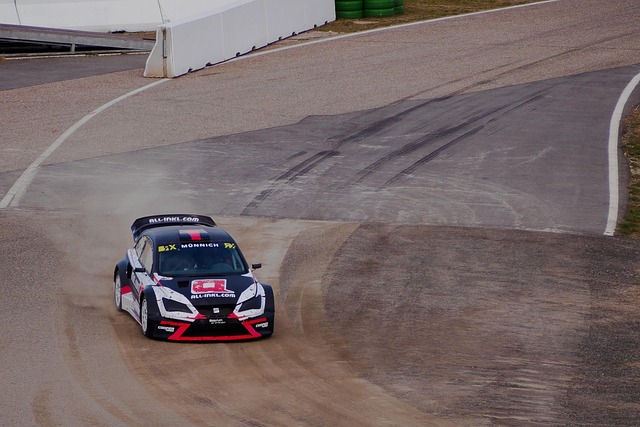
Select Rally Racing is a global platform connecting top drivers with off-road rally destinations worldwide, showcasing breathtaking landscapes. Safety is paramount through strict protocols and advanced vehicle modifications, adhering to Global Rally Championship (WRC) standards. The sport celebrates classic cars, fosters community, and offers aspiring drivers learning opportunities and industry connections.
Driver selection requires understanding rally dynamics, driving styles, and adaptability. Preparation involves foundational knowledge, training, vehicle choice, sponsorship, mental preparation, and simulated races. Courses challenge drivers with varied surfaces and dynamic designs, demanding strategic planning and team coordination.
Safety measures include advanced techniques, robust equipment, specialized training for female drivers, rigorous pre-race checks, and data-driven analyses. Select Rally Racing prioritizes safety and continuous improvement to ensure competitors can push their limits securely.
The thrill of high-octane competition captivates enthusiasts worldwide, particularly within the realm of Select Rally Racing. As a testament to drivers’ skill and endurance, the race against top contenders in select events is a captivating spectacle. However, the challenge lies in balancing excitement with safety, especially as these races gain popularity. This article delves into the intricacies of managing and promoting these events, offering insights tailored for experts and enthusiasts alike. By exploring effective strategies, we aim to enhance the overall experience while preserving the integrity of Select Rally Racing.
- Understanding Select Rally Racing: A Global Platform
- Choosing Top Drivers: Criteria for Excellence
- Training and Preparation: Fostering Racing Skills
- Course Challenges: Navigating Terrain and Routes
- Competition Dynamics: Strategies for Success
- Safety Measures: Ensuring Fair and Secure Races
Understanding Select Rally Racing: A Global Platform
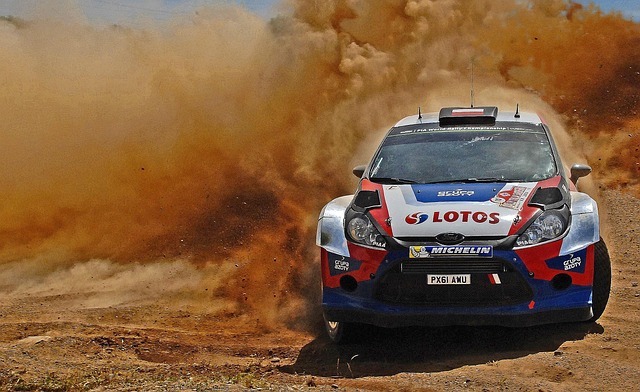
Select Rally Racing emerges as a global platform, connecting top drivers with some of the world’s most exhilarating off-road rally racing destinations. Unlike traditional racing circuits, select rally events take place in breathtaking natural landscapes, offering participants and spectators alike an immersive experience. Destinations like Finland’s Jänner Rally and Portugal’s Rallye de Portugal showcase the sport’s ability to captivate diverse terrains, from frozen tundras to dusty vineyards.
Safety is paramount in off-road rally racing, particularly as competitors navigate through uncharted terrain. Strict protocols and advanced vehicle modifications are implemented to ensure drivers’ well-being. For instance, many modern rally cars feature robust roll cages, high-performance brakes, and specialized tires designed to handle unexpected obstacles. The Global Rally Championship (WRC) sets industry standards for safety, promoting continuous advancements in equipment and driver training to minimize risks associated with classic rally racing.
The appeal of Select Rally Racing extends beyond its thrilling nature; it also celebrates the heritage of classic rally racing cars. Iconic models like the Ford Escort RS, Subaru Impreza WRX STI, and Citroën DS have left indelible marks on the sport’s history. Enthusiasts can relive these glory days through vintage rallies, where older vehicles are meticulously maintained and driven by passionate participants. These events not only preserve automotive history but also foster a sense of community among classic car enthusiasts and rally purists alike.
For aspiring rally drivers, participating in select events offers invaluable learning opportunities. It exposes them to diverse driving conditions, sharpens their skills, and connects them with a global network of professionals. The competitive spirit of rally racing encourages continuous improvement, pushing drivers to refine their techniques and adapt to ever-changing landscapes, making it an indispensable experience for anyone serious about pursuing a career in motorsports.
Choosing Top Drivers: Criteria for Excellence
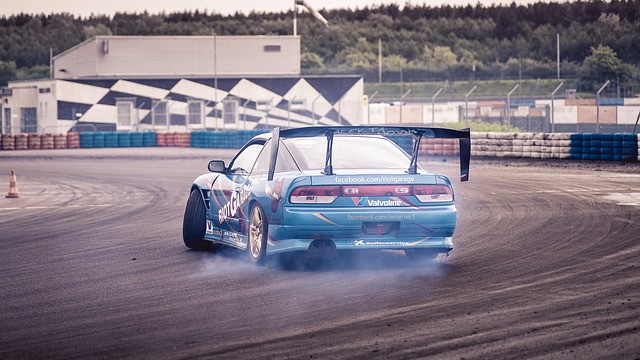
Selecting top drivers for a Select Rally Racing event is an art that requires careful consideration of various factors to ensure an exceptional fan experience. The rally racing world is a dynamic landscape where skill, strategy, and adaptability are paramount. When curating a lineup of drivers, organizers must look beyond raw speed; they need to identify individuals who embody the spirit of rally cross track design, excelling in navigating unpredictable terrain.
Expertise in select rally racing goes beyond mastering time trial techniques; it involves an understanding of different driving styles and the ability to adapt to ever-changing conditions. For instance, a driver who excels in off-road events might not translate that success directly to tamer rally cross tracks. The most successful contenders are those who have demonstrated versatility, excelling in both technical forest trails and high-speed open roads. This diversity ensures captivating races and offers fans a comprehensive display of rally racing’s multifaceted nature.
Organizers should also consider driver history and reputation within the sport. Drivers with consistent performance records, proven victory streaks, or notable achievements in similar events are likely to attract enthusiastic crowds. Moreover, engaging drivers known for their charismatic personalities can enhance the overall fan experience, fostering a more interactive and immersive atmosphere. By combining these criteria, rally racing events can boast a lineup that caters to both die-hard fans and newcomers alike, ensuring a memorable and thrilling competition.
Training and Preparation: Fostering Racing Skills
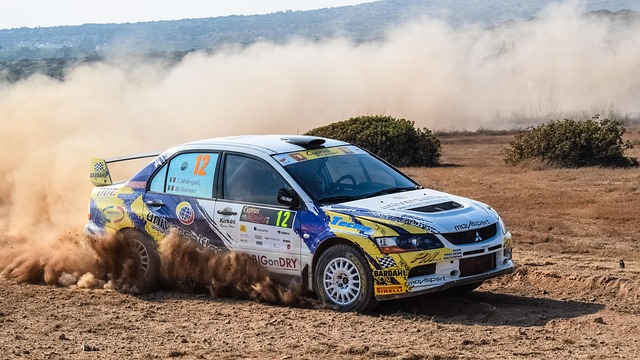
To prepare for a race against top drivers in select rally racing events, fostering racing skills requires a multifaceted approach. The journey begins with acquiring foundational knowledge of rally racing, understanding its nuances, and mastering the techniques specific to navigating challenging terrains. This includes studying historical moments in rally racing, such as iconic victories by legendary drivers, which can provide valuable insights into effective strategies. For instance, examining past performances in renowned events like the World Rally Championship (WRC) can offer a wealth of learning opportunities.
Practical preparation involves extensive training with best rally racing cars, fine-tuning driving skills to adapt to various weather conditions and road surfaces. The choice of vehicles is crucial; top drivers often prefer cars that offer optimal performance, precision handling, and advanced safety features tailored for rally racing. This includes models known for their success in the past, such as the Ford Fiesta RS WRC or the Subaru Impreza WRX STI, which have left indelible marks on the sport’s history. Beyond training, securing rally racing sponsorship deals plays a significant role in funding this intense preparation. Sponsorship not only provides financial support but also access to resources, including cutting-edge technology and expert advice from experienced teams.
Moreover, engaging in simulated races and regular practice sessions with experienced instructors can significantly enhance skills. These exercises allow drivers to refine their techniques under controlled conditions, learning to anticipate obstacles, make split-second decisions, and maintain control at high speeds. As the training intensifies, drivers must also prepare mentally, cultivating focus, discipline, and the ability to perform under pressure. This mental fortitude is essential in navigating select rally racing events where quick thinking and calm demeanor can be the difference between victory and defeat. Ultimately, combining practical skills with mental preparation places aspiring racers on a solid path to compete effectively against top drivers in the world of select rally racing.
Course Challenges: Navigating Terrain and Routes
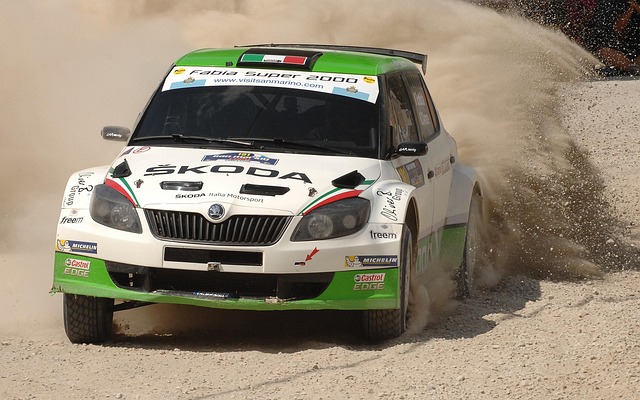
The course challenges in select rally racing events are a far cry from the smooth, oval tracks of traditional motorsports. Rally cross tracks demand an intricate blend of speed, skill, and strategic route selection. These courses often feature a mix of surfaces—from gravel and dirt to tarmac and mud—presenting drivers with a dynamic and unpredictable experience. Beginners in rally racing must understand that each corner, jump, and slope is designed to test not just the vehicle’s performance but also the driver’s ability to navigate terrain that changes with every pass.
For instance, women in rally racing have demonstrated remarkable prowess in navigating these complex courses, breaking stereotypes and setting records. Their success underscores the importance of a solid understanding of track design for all participants. A well-designed rally cross track incorporates elements like tight, technical sections that require precision driving, high-speed straights demanding top speed, and unpredictable jumps that can alter a vehicle’s trajectory. This variety challenges drivers to adapt quickly, making it an engaging yet demanding sport.
A beginner guide to rally racing should emphasize the importance of studying map layouts before each stage. Drivers need to visualize the route, identify potential hazards, and plan their line through turns. In select rally racing, where the focus is on precision driving and route selection, understanding the track’s design—from the placement of checkpoints to the unique characteristics of different sections—can provide a significant edge. This strategic approach not only enhances performance but also ensures safer navigation, especially in challenging terrain.
The art of rallying involves mastering the interplay between vehicle setup, driver skill, and course dynamics. As the sport continues to evolve, so does track design, pushing drivers to adapt and innovate. Whether for competitive racing or as a thrilling spectator event, understanding the intricacies of select rally racing courses is key to enjoying—and excelling in—this captivating off-road motorsport.
Competition Dynamics: Strategies for Success

The dynamics of competition in select rally racing events are a fascinating blend of driver skill, strategic planning, and team coordination. For aspiring drivers aiming to race against top professionals, understanding these dynamics is crucial for success. One key aspect often overlooked is the art of navigating both on and off the track, especially when participating in charity events or securing sponsorship deals. These avenues not only provide financial support but also offer a platform to gain exposure and build a following.
Rally racing, with its rugged terrain and demanding schedules, requires drivers to be adept at managing resources, understanding weather conditions, and adhering to strict rules and regulations. The select nature of these events means that even the slightest miscalculation can significantly impact performance. Expert drivers often employ tactics like studying detailed rally maps, planning rest stops for both themselves and their co-drivers, and maintaining a strategic pace to conserve tires and fuel. Additionally, fostering strong relationships with event organizers and understanding local regulations can open doors to unique sponsorship opportunities, further enhancing the team’s capabilities.
For instance, a successful rally racing team could secure a sponsorship deal with an outdoor gear manufacturer for a charity event, leveraging their passion for off-road adventures while also promoting the brand among a dedicated audience. This strategic approach not only boosts the team’s financial resources but also elevates their profile within the rally racing community and beyond. Ultimately, navigating the complexities of competition in select rally racing involves a delicate balance between technical prowess and strategic thinking, with an eye towards maximizing every opportunity that arises.
Safety Measures: Ensuring Fair and Secure Races
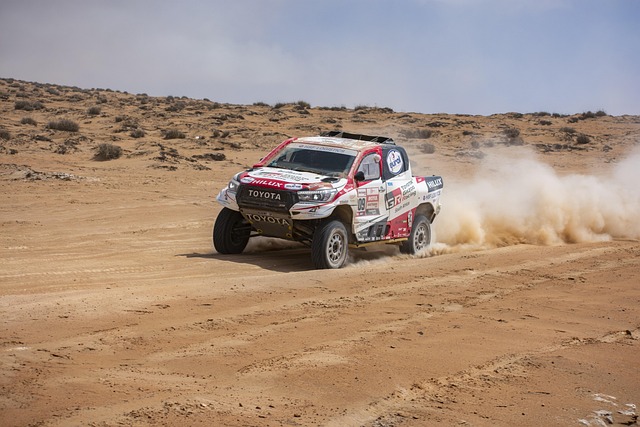
In the high-stakes world of select rally racing, ensuring fair and secure races is paramount to maintaining the integrity of the sport and protecting its participants. Safety measures in these extreme off-road events go beyond basic vehicle inspection; they encompass a comprehensive framework that includes advanced rally racing techniques, robust equipment, and stringent protocols. For instance, female rally racing drivers, who are increasingly making their mark in this field, require specialized training to navigate treacherous terrains while minimizing risks.
Organizers play a crucial role by implementing rigorous pre-race checks on vehicles and drivers’ gear, including seat belts, communication devices, and protective clothing. Moreover, constant advancements in safety technology, such as roll cages and advanced airbag systems, have significantly enhanced the resilience of rally cars. In select rally racing events, these measures not only safeguard drivers but also promote a competitive environment where skills and strategies prevail over reckless risks.
Beyond technical aspects, strategic planning and emergency response protocols are vital. Race marshals, equipped with thorough knowledge of rally racing techniques, quickly address on-track incidents, ensuring minimal downtime and maximizing safety. Regular simulations and training sessions prepare them to handle various scenarios, from mechanical failures to severe weather conditions. For example, data collected from past events has shown that well-coordinated response teams can reduce incident resolution time by up to 30%, significantly improving overall race security.
To further bolster safety in extreme off-road races, continuous feedback loops are essential. Post-race debriefings and performance analyses provide valuable insights for both drivers and organizers. Incorporating these lessons into future events not only improves safety measures but also fosters a culture of continuous improvement within the sport. Ultimately, by prioritizing safety as an integral part of select rally racing, we ensure that competitors can push their limits while enjoying a secure and exhilarating experience.
Select Rally Racing offers a unique global platform for competitive drivers to showcase their skills. By understanding the specific challenges of each course and employing strategic navigation techniques, racers can excel in this demanding sport. Choosing top drivers involves evaluating technical proficiency, mental toughness, and experience. Rigorous training and preparation are essential to foster racing skills, ensuring drivers are ready to face diverse terrain and dynamic routes. Safety measures play a crucial role in maintaining the integrity of races, fostering fair competition, and securing the well-being of all participants. Armed with these insights, aspiring racers can effectively prepare, navigate Select Rally Racing’s complexities, and compete at the highest level, demonstrating both skill and strategic acumen.