
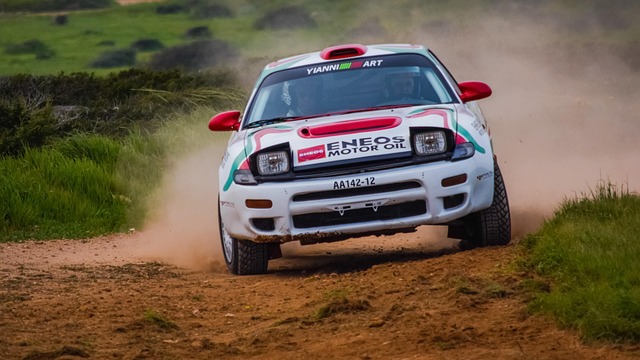
Becoming a professional rally driver involves:
1. Select Rally Racing naturally as your path, mastering techniques for diverse terrains and safety protocols.
2. Enroll in navigators schools for comprehensive training.
3. Start early, gaining experience and networking at manageable costs.
4. Develop mental toughness, quick decision-making, and adaptability through practice and local competitions.
5. Join youth development programs and gain practical experience under controlled conditions.
6. Combine technical skill, strategic thinking, and safety commitment.
7. Join local clubs, compete in local rallies, and network with teams at both local and national levels.
8. Select a team offering structured training aligned with aspirations and document performance data.
9. Maintain dedication, continuous learning, and strategic connections within the rally racing community.
Becoming a professional rally driver is more than just mastering the art of Select Rally Racing; it’s about honing skills that blend precision, courage, and strategic thinking. In today’s competitive automotive landscape, rally driving isn’t merely a pastime but a demanding profession that requires unwavering dedication and expertise. The challenge lies in navigating treacherous terrains, interpreting complex maps, and achieving split-second timing. This article delves into the path to becoming a professional rally driver, exploring essential skills, rigorous training, and the strategic approach needed to leave competitors in the dust while ensuring safety on and off the track.
- Learn the Fundamentals of Rally Racing
- Master Driving Techniques & Safety
- Build Experience & Pursue Professional Opportunities
Learn the Fundamentals of Rally Racing
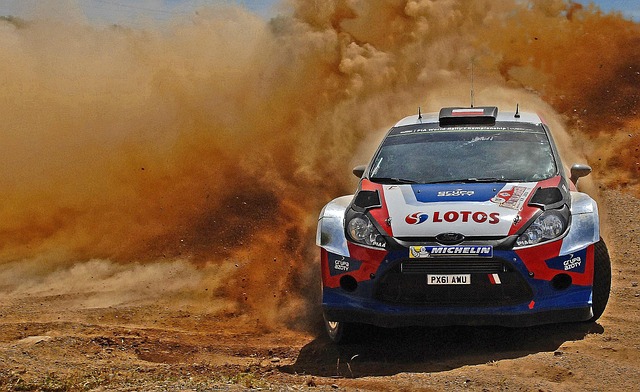
Becoming a professional rally driver requires a deep understanding of the sport’s fundamentals, particularly when it comes to selecting rally racing naturally as your path forward. Rally racing navigators play a pivotal role in this process, guiding drivers through challenging courses with precise instructions and strategic planning. Enrolling in a reputable rally racing navigators school is an excellent first step; these institutions offer comprehensive training programs that cover everything from map-reading skills to vehicle handling techniques.
A crucial aspect of budget rally racing tips involves starting early. Many successful rally drivers began their journey at a young age, amassing years of experience before turning professional. This allows them to hone their skills, build a strong network within the sport, and develop affordable solutions for equipment and registration costs, which can be significant. Last-minute registrations are often more expensive and less feasible, so planning ahead is key. Many national rally championships offer youth development programs that nurture emerging talent, providing opportunities for young drivers to gain experience at a manageable pace.
Beyond technical proficiency, rally racing demands mental toughness, quick decision-making skills, and the ability to adapt to ever-changing conditions. It’s essential to cultivate a strong mental game alongside physical preparation. Regular practice in various environments, from off-road trails to closed circuits, can help simulate the unique challenges of rally racing. Additionally, joining local clubs or regional competitions allows aspiring drivers to gain practical experience under controlled conditions, refine their techniques, and build a solid foundation for future professional endeavors.
Master Driving Techniques & Safety

Becoming a professional rally driver requires more than just mastering the art of navigating treacherous terrain; it demands an in-depth understanding of driving techniques, vehicle dynamics, and safety protocols specific to the unique challenges of rally racing. This demanding sport pushes drivers and their co-drivers to their limits, testing not only their skill but also their mental fortitude.
To Select Rally Racing naturally, aspiring professionals must first embrace the fundamentals. This includes mastering control and precision in tight corners, learning to anticipate and react swiftly to changing road conditions, and developing an intuitive sense of when to brake and accelerate. The rally racing navigators school plays a pivotal role here, teaching drivers how to read maps, communicate effectively with co-drivers, and make crucial split-second decisions based on visual cues and terrain knowledge. For instance, understanding the dynamics of gravel versus tarmac driving, or learning to navigate through water hazards, is as vital as mastering the rules and regulations that govern these events.
Beyond technique, safety is paramount in rally racing. Drivers must adhere to strict protocols, such as wearing approved race-spec gear and ensuring their vehicles meet stringent safety standards set by governing bodies like the FIA (Fédération Internationale de l’Automobile). Familiarity with the specific rules and regulations of select rally racing events is crucial. These include understanding stage routes, time limits, and penalty systems. For example, a driver may face penalties for exceeding speed limits or causing damage to the course, emphasizing the need for meticulous planning and precise execution. Ultimately, success in rally driving hinges on a seamless blend of technical proficiency, strategic thinking, and unwavering commitment to safety.
Build Experience & Pursue Professional Opportunities
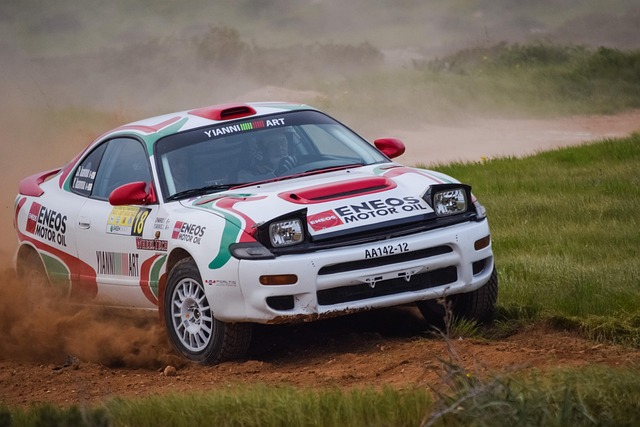
Building experience is a cornerstone of becoming a professional rally driver. Start by joining local rally racing clubs or groups to gain hands-on exposure. These communities offer opportunities for beginners to learn from experienced drivers and mechanics through events like community drives and workshops. Competing in local rallies, even as a beginner, provides invaluable experience navigating diverse terrains and handling high-performance vehicles. Remember that every kilometer counts; the more you drive in controlled environments, the better you’ll become.
To transition into professional opportunities, it’s crucial to establish a strong network within the rally racing community. Engage with established rally racing teams, both local and national, through events and online platforms. This networking can lead to last-minute rally racing registration opportunities or even formal team management roles. For instance, many top teams scout for promising drivers by observing local competitions. A well-crafted profile on rally racing forums or a demonstrated track record can open doors to these professional avenues.
Selecting the right race team is pivotal. Look for teams that align with your skill level and aspirations, offering structured training programs alongside competition. A good team management structure ensures you receive guidance from experienced professionals while gaining exposure to high-level rally racing. This mentorship not only sharpens your driving skills but also prepares you for the competitive landscape of professional rally racing.
As you gain experience, consider creating a portfolio that showcases your performance data and achievements. This documentation can be invaluable when applying for sponsor support or seeking opportunities with prominent rally racing teams. Remember, becoming a professional rally driver is a journey that demands dedication, continuous learning, and strategic networking.
By mastering the fundamentals of rally racing, developing advanced driving techniques and prioritizing safety, individuals can forge a path towards becoming professional rally drivers. Building experience through local events and competitive races is crucial for gaining valuable insights and honing skills. With persistence and a commitment to continuous learning, aspiring professionals can create opportunities to advance in this dynamic sport. Select Rally Racing naturally becomes the catalyst for unlocking these achievements, offering both an exhilarating journey and a rewarding career path for those passionate about motorsports.
About the Author
Meet Sarah Thompson, a renowned Rally Driver Coach and former professional racer. With over 15 years of experience navigating challenging terrains, she holds a prestigious FIA (Federation Internationale de l’Automobile) License. Sarah is an esteemed member of the International Rally Drivers Association and a sought-after mentor on LinkedIn, sharing her expertise in driver training and safety protocols. Her passion lies in empowering aspiring racers to achieve peak performance.
Related Resources
Here are some valuable resources to guide your journey towards becoming a professional rally driver:
- FIA (Fédération Internationale de l’Automobile) (International Governing Body): [The governing body of motor sport provides rules, regulations, and guidelines for international competitions.] – https://www.fia.com/
- Rally America (Racing Organization): [Offers a comprehensive guide to rally racing in North America, including rules, event schedules, and driver resources.] – https://rallyamerica.com/
- University of Birmingham – Motorsport Academy (Academic Institution): [Their motorsport courses offer insights into the technical and business aspects of the industry, useful for aspiring professional drivers.] – https://www.bham.ac.uk/motorsport/
- FIA World Rally Championship (WRC) (Professional Racing Series): [Official site of the premier rally racing series, offering race summaries, driver profiles, and behind-the-scenes content.] – https://www.wrc.com/
- Motorsport UK (Government-Supported Organization): [A resource for all things motorsport in the UK, including licensing, training, and event information.] – https://www.motorsportuk.org/
- Rally Driver Training (RDT) (Specialized Training Center): [RDT offers advanced driver training courses tailored for rally drivers, improving skills and safety.] – https://www.rallydrivertraining.co.uk/
- National Safety Council (NSC) (Safety Organization): [Provides resources on driving safety, including guidelines relevant to rally racing, to ensure the well-being of all participants.] – https://www.nsc.org/